

Friends Jim Cuddy and Greg Keelor first met while playing for the Toronto Collegiate football team. When they decided to collaborate as musicians, they moved to Alberta. Life was challenging there; the money they earned from performances barely covered their basic needs. Read more on toronto-trend.
In 1976, Cuddy and Keelor returned to Toronto, the city where they had completed their education. Early the next year, they formed the short-lived crossover band The Hi Fi’s, which dissolved a few months later. Before disbanding, they released the single “I Don’t Know Why You Love Me” under the indie label Showtime Records. Following the breakup, the musicians were approached by Ready Records, home to New Wave acts like Blue Peter and The Spoons. However, a deal fell through as The Hi Fi’s failed to gain the development they had envisioned.
New York Experience and Searching for Band Members
Despite their setbacks, Cuddy and Keelor continued performing for some time after The Hi Fi’s disbanded. In 1981, they relocated to New York City. Cuddy moved to accompany his future wife, who had been accepted to a New York theatre school, while Keelor joined the band The Hunger Project through a friendship with one of its members. That group eventually evolved into The Cowboy Junkies. The new environment revitalized the duo’s creativity. Soon, manager Howard Wiseman took them under his wing, leading to the creation of the group Fly to France.
The demand for participation in Fly to France was significant, as numerous musicians responded to an advertisement in The Village Voice. Among them was future keyboardist Bob Wiseman, the younger brother of their manager. The band experimented with various musical styles—ska, reggae, punk, and more—earning a reputation as “chameleons” for their eclectic live performances across numerous venues.

After a few years of gaining experience, Cuddy and Keelor returned to Toronto. There, they collaborated with New Zealand band Drongoes, helping write songs and creating a demo tape featuring “Try,” “Outskirts,” “Rose Coloured Glasses,” and “Floating.” During this time, they brought in drummer Cleave Anderson, a longtime friend, who suggested bassist Bazil Donovan. Donovan joined after answering a magazine ad but had not been contacted at first. Soon after, Bob Wiseman was invited to complete the lineup.
An Album for a Friend Who Passed Away
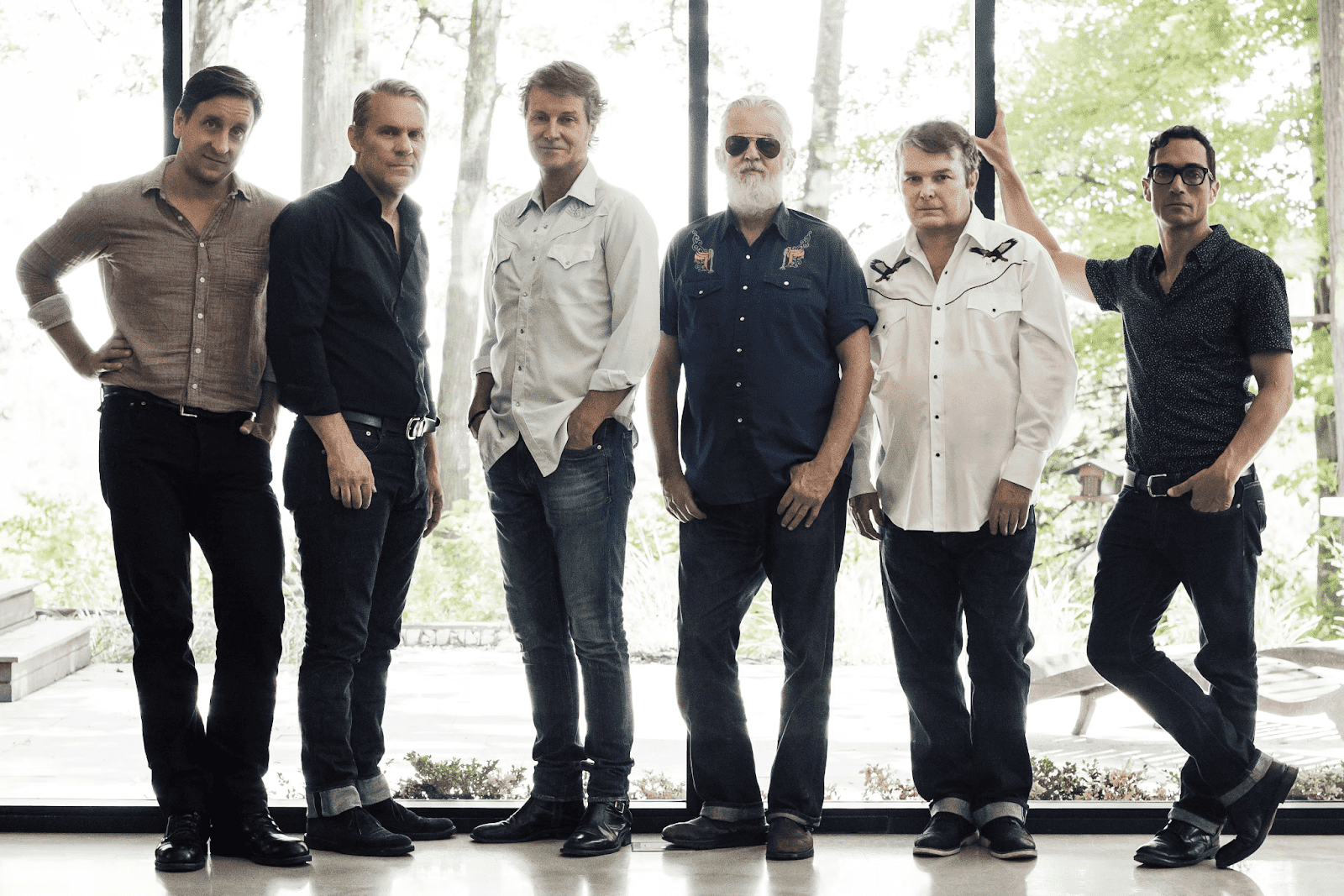
The band’s demo caught the attention of Bob Roper from Warner Bros Records. He introduced them to John Caton, manager of Prairie Oyster and owner of the Risque Disque label. Caton arranged for the band to meet renowned producer Terry Brown. Recording their debut album took over 18 months. Released in the summer of 1987, it quickly became a hit. The single “Try” gained nationwide popularity, transcending pop and country charts during the peak of hair metal, glam, and power pop. Another notable track was “Underground,” written for their late friend and collaborator, Ned, who passed away from a heroin overdose earlier that year. The album achieved double-platinum status (200,000 copies in Canada). The band spent the next year and a half touring with other country-rock crossover acts like k.d. lang.
Further Development and Collaborations
The band collaborated with producer Malcolm Burn for their next album, Diamond Mine, released in spring 1989. These sessions stemmed from Keelor’s side project, Crash Vegas, and were recorded at Daniel Lanois’ Hamilton The Lab studio, operated by Burn. As the band’s popularity grew, Anderson chose to leave music for a full-time job at Canada Post. He was replaced by Mark French.
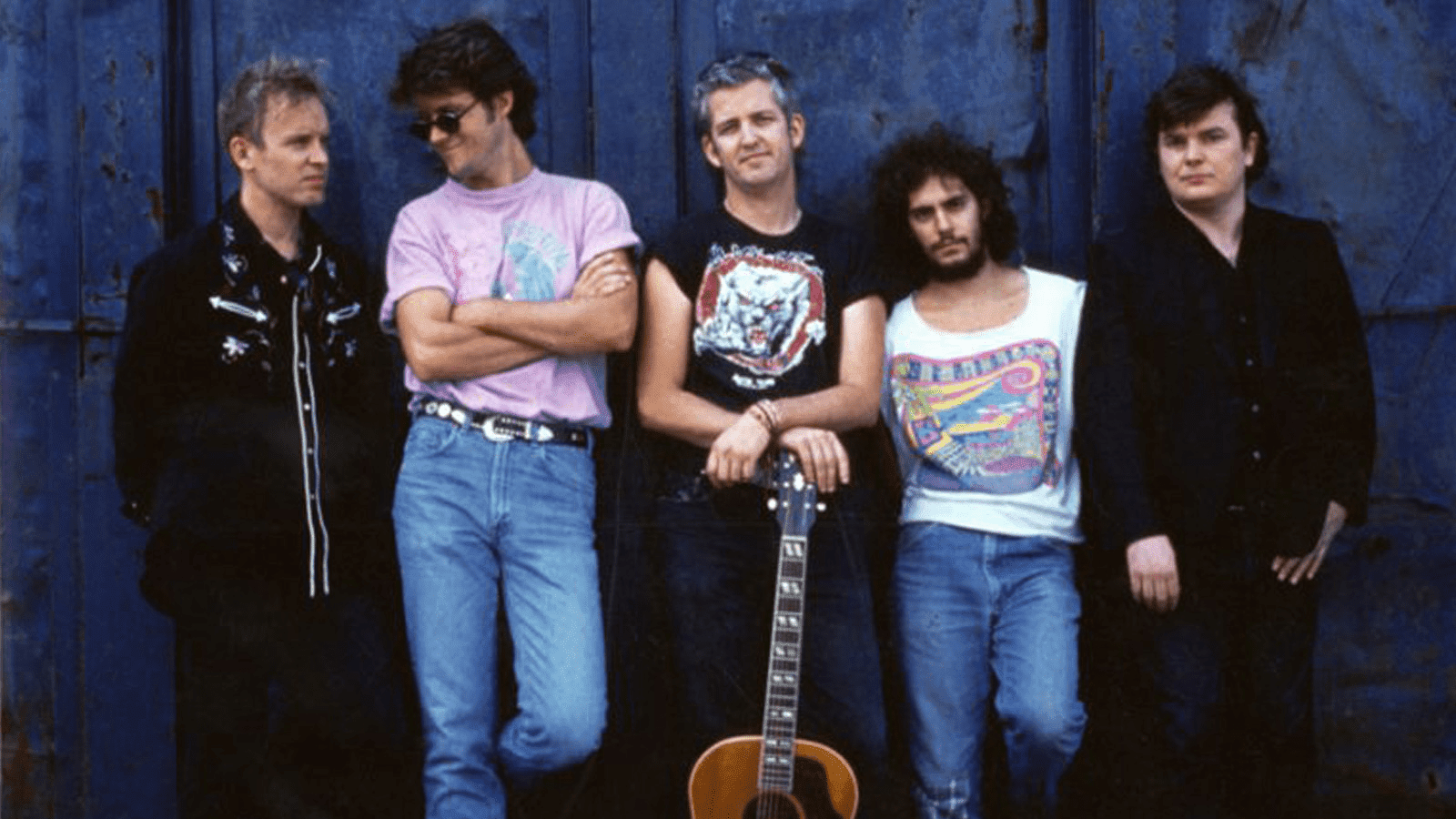
Diamond Mine surpassed their debut’s success, going triple platinum and earning the group Juno Awards for Single of the Year and Video of the Year for “Try.” They also won Group of the Year and received nominations for Album of the Year for Outskirts. However, the band’s momentum slowed after a long break and unexpected challenges, such as their manager John Caton leaving the business due to health and financial issues, which led to the closure of Risque Disque. A few months later, Warner Canada took over their contract.
Blue Rodeo’s Global Ambitions
Their next album, Casino (1991), was recorded in Hollywood with Grammy-winning producer Pete Anderson, known for working with Dwight Yoakam, Roy Orbison, and k.d. lang. The album went double platinum and reached sixth place in Canadian charts, featuring hit singles like “Til I Am Myself Again” and “What Am I Doing Here.” Despite critical acclaim and high hopes, Blue Rodeo failed to gain significant traction in the U.S.
After a chaotic tour, including an incident in Iqaluit, Nunavut, where members Wiseman and Donovan were arrested for marijuana possession, the band faced more challenges. The charges were later dropped, but the event strained the group. Despite setbacks, they won their third consecutive Group of the Year Juno Award and introduced Glenn Milchem as their new drummer.
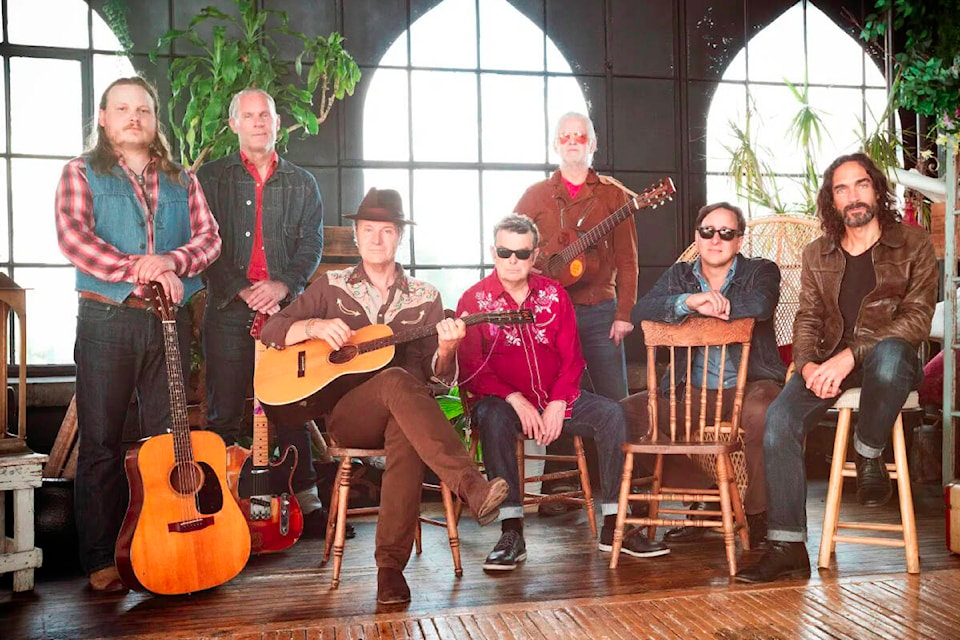
Blue Rodeo continued nurturing the next generation of country-rock musicians, leaving an indelible mark on Canadian music. While the journey wasn’t easy, their story of perseverance and adaptability ensures they will be remembered for fulfilling their dream and sharing their art with the world.
Sources: