


It’s difficult to pin down exactly what Broken Social Scene (BSS) is. Are they a band? Not quite. Traditional bands typically have a fixed lineup, aesthetic, and goals. BSS, however, defies these boundaries. Are they a cult? No, as their members don’t unite around a singular devotion. They’re best described as a collective—a shape-shifting assembly of competing creative energies. When you see 15 people crowding a stage, they can only be perceived as a collective. More than anything, BSS is a constantly evolving ensemble. Read more on toronto-trend.
Founded in 1999 in Toronto by Kevin Drew and Brendan Canning, Broken Social Scene began with a mostly instrumental debut album, Feel Good Lost, recorded with a few friends and released in 2001. The group’s unconventional nature has made them one of Canada’s most influential indie collectives.
Membership and Unique Structure
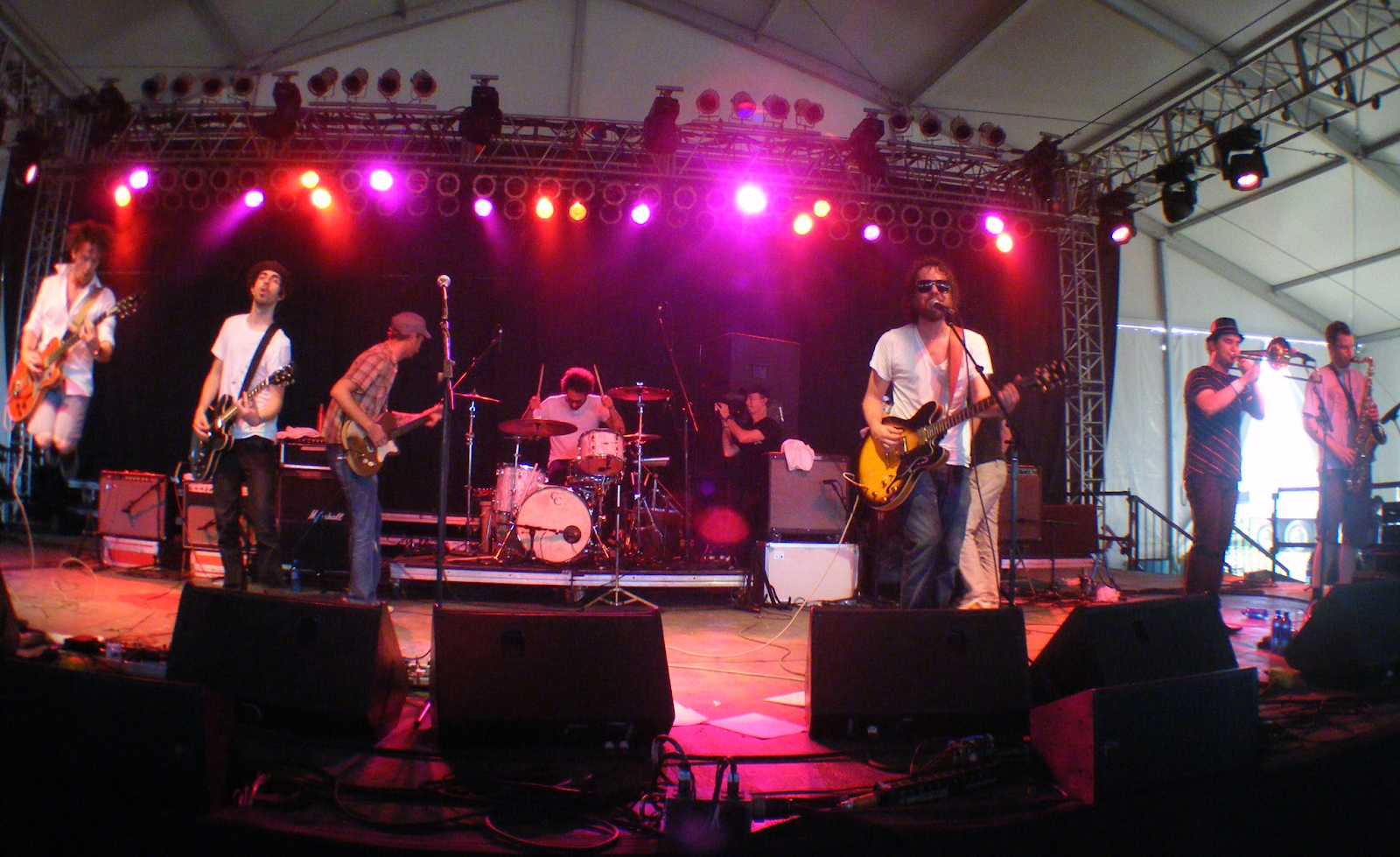
BSS began as a shadowy, improvisational entity with a fluid membership list. Every live show is a wholly unique experience, influenced by factors like location, environment, weather, and even what the band had for dinner. Their debut album, Feel Good Lost (2001), introduced BSS as an ambient project, reflecting its humble beginnings. However, their live performances electrified audiences, drawing talent from diverse genres like post-rock (Justin Peroff, Charles Spearin of Do Make Say Think), Latin jazz (Andrew Whiteman), art-folk (Feist), synth-pop (Amy Millan, Emily Haines, and Jimmy Shaw of Metric), and alt-country (Jason Collett).
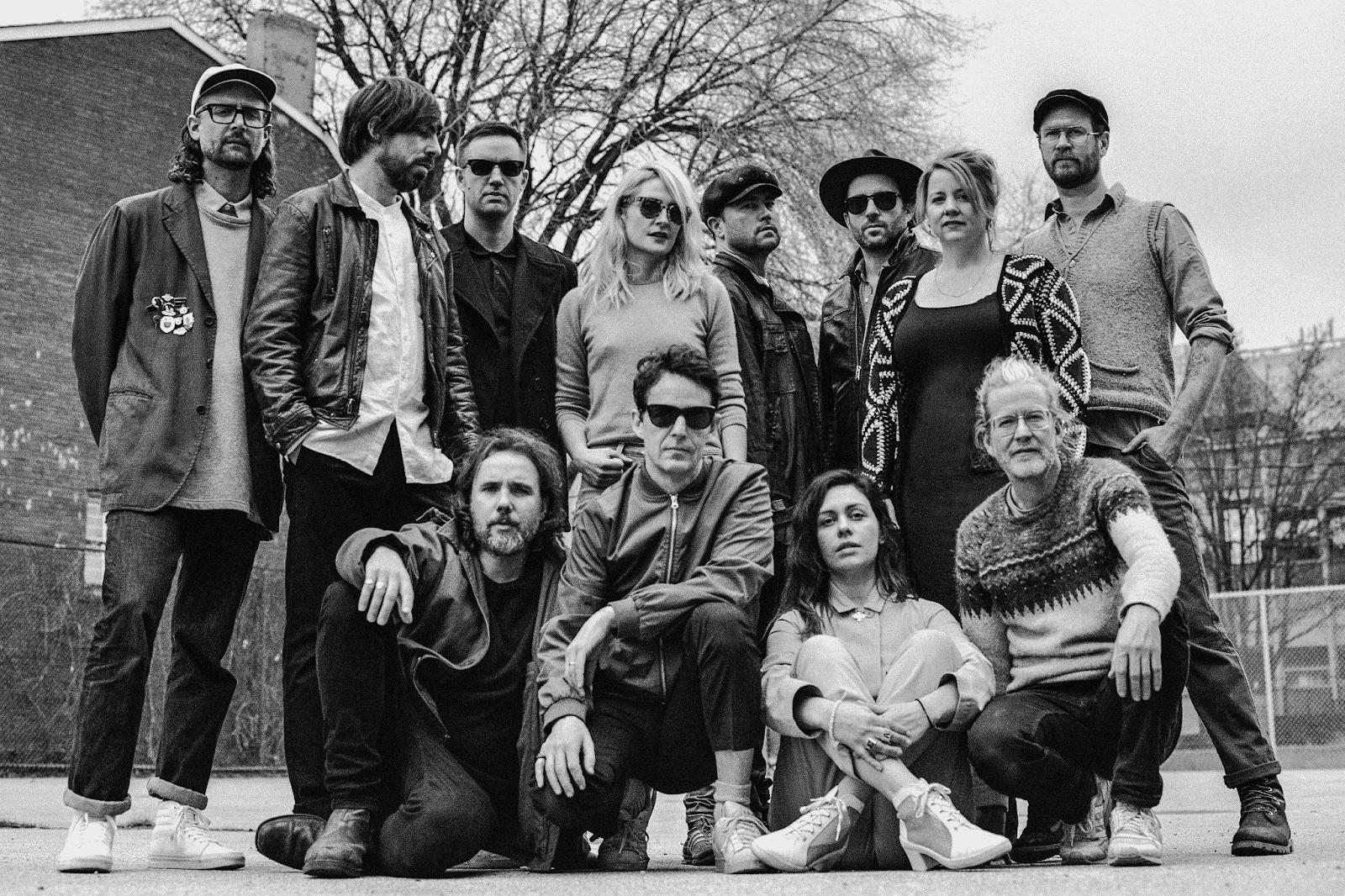
The collective’s membership is constantly shifting, with contributors participating in recordings or performances based on availability. Members often pursue solo careers or collaborations with other groups, including Metric, Stars, Apostle of Hustle, Raising the Fawn, and Do Make Say Think. Notable contributors include Charles Spearin, Justin Peroff, Bill Priddle, Andrew Whiteman, Leslie Feist, Emily Haines, James Shaw, Amy Millan, Ohad Benchetrit, Martin Davis Kinack, and many others.
Key Projects and Albums
The 2004 compilation Bee Hives featured B-sides from their acclaimed album You Forgot It In People. Around this time, the group composed the score for Bruce McDonald’s film The Love Crimes of Gillian Guess. In 2005, they released a self-titled album through Arts & Crafts, featuring 17 contributors and earning a Juno Award for Best Alternative Album.
Kevin Drew and Brendan Canning explored solo endeavors under the BSS banner with Broken Social Scene Presents Kevin Drew, Spirit If… (2007) and Broken Social Scene Presents Brendan Canning, Something for All of Us… (2008). Despite being billed as solo projects, these albums featured significant input from other BSS members.
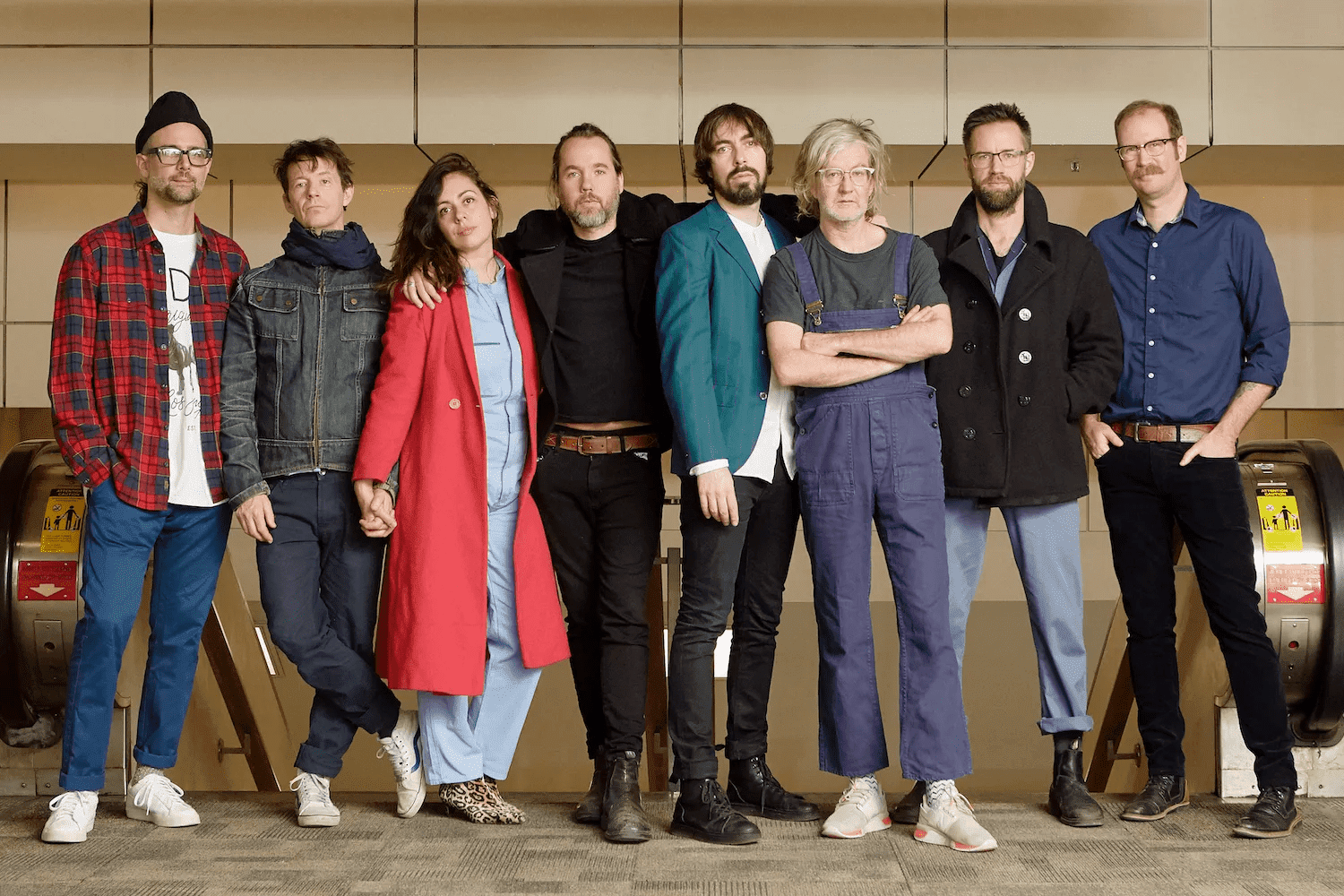
The new Broken Social Scene album, “Forgiveness Rock Record”, was released in May 2010. The album features an impressive collection of 42 songs and was co-produced by the band and John McEntire from Tortoise. Recorded at studios in Chicago and Toronto, the album highlights contributions from seven core members of the group, as well as guest appearances from new collaborators like Spiral Stairs, Sébastien Grainger, and members of Weakerthans and Sea and Cake. The record was nominated for a Juno Award in 2011 for Alternative Album of the Year, and the band itself was nominated for Group of the Year.
Fans who pre-ordered the album received an exclusive digital mini-album, “Lo-Fi for the Dividing Nights”, featuring ten additional tracks, as well as seven remixes of the song “All to All”. The album was also nominated for the Polaris Music Prize and climbed to the top of the Canadian sales charts. In the United States, it reached an impressive #34 on the charts, a remarkable feat for an independent release.
By the end of 2010, Broken Social Scene once again went on hiatus, pausing their live performances and new releases. However, they remained active intermittently, appearing at various festivals. In 2013, the band took on a unique role as sponsors of a literary contest, encouraging writers to create short stories inspired by their music.
Fun Facts About the Group
In 2009, a book about Broken Social Scene titled “This Book Is Broken” was published. Written by journalist and longtime friend of the band Stuart Berman, the book provides an in-depth look at the group’s journey. Additionally, filmmaker Bruce McDonald and screenwriter Don McKellar produced a documentary about the band under the same title, “This Book Is Broken”, which was released in 2010. The documentary was well-received and was nominated for Music DVD of the Year at the 2011 Juno Awards.
In August 2011, Broken Social Scene announced an indefinite hiatus, with the group stating that their show in Rio de Janeiro, Brazil, in November 2011 would be their final performance. During the break, several members focused on their individual projects. However, in January 2013, it was revealed that Broken Social Scene would reunite for a one-night performance, headlining the Field Trip Music and Arts Festival in Toronto alongside Feist in June 2013.
What Makes “Broken Social Scene” Special?
Over two decades of existence, Broken Social Scene has achieved all the hallmarks of modern indie success—glowing reviews from Pitchfork, invitations to perform at Coachella and Lollapalooza, multiple appearances at the Juno Awards and on Letterman, and even mentions in Lorde’s songs. Their achievements have had a lasting influence on Toronto’s cultural development. They founded a record label (Arts & Crafts) and a music festival (Field Trip), which became hubs for the local scene and nurtured a new generation of indie upstarts.
While Broken Social Scene has evolved significantly since its inception in 2001, one thing has remained constant: at the end of each show, Kevin Drew bids farewell to the audience with the words, “Enjoy your life!” This phrase is more than a goodbye; it’s a call to action—a reminder to put down your phone, step outside, and become part of your own social scene. Life is what we make of it, and we alone decide how we feel today. Broken Social Scene is living proof that outsiders are most effective when traveling as a pack, that a collective enthusiasm can lead audiences into uncharted waters, and that the better world we all dream of starts with community.
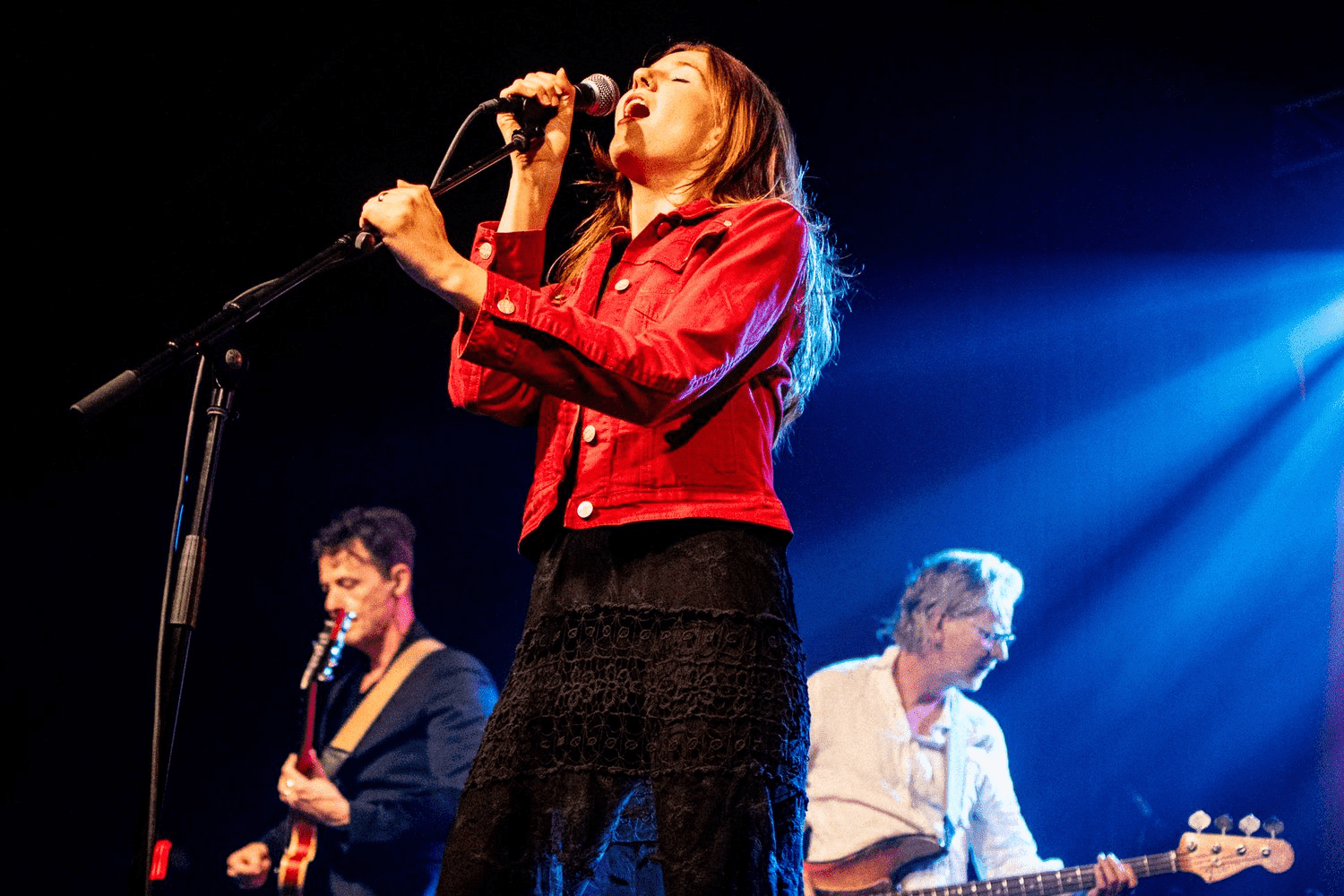
They’ve created an eclectic body of work, exploring a wide range of stylistic directions—from ambient minimalism to vibrantly orchestrated baroque pop. But perhaps their greatest achievement is simply their existence as a conglomerate that continues to defy logistical constraints and musical expectations.
Sources