


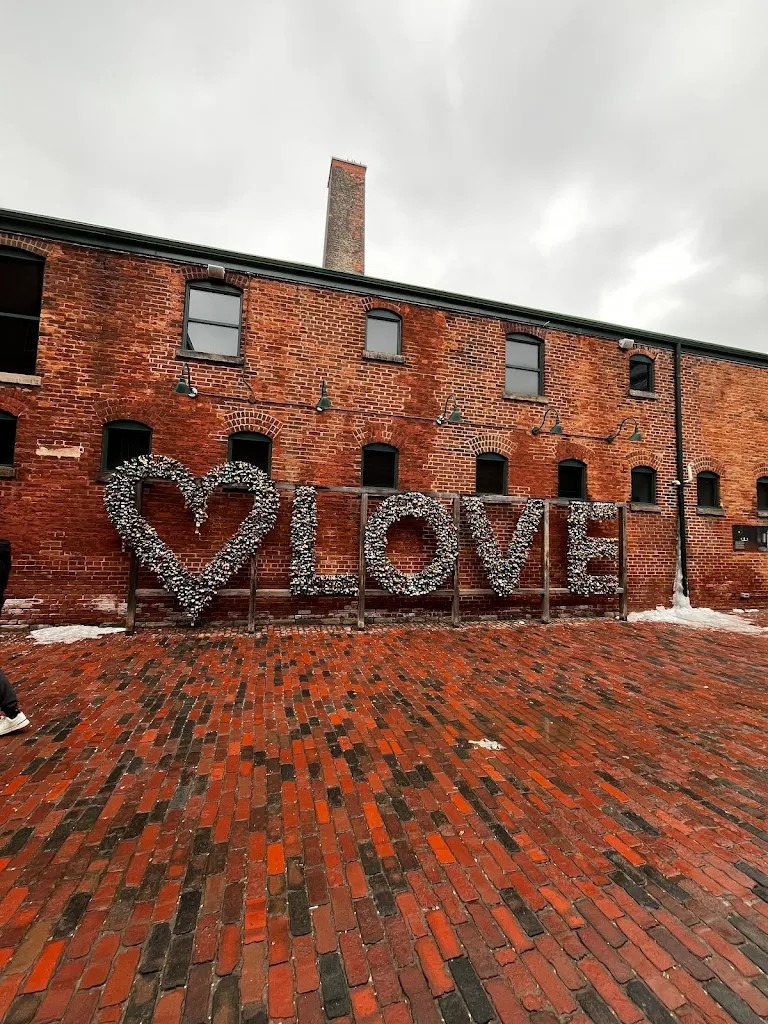
If you ask a Torontonian where to go for that “old town” vibe, they’ll inevitably point you to the Distillery District. Today, it’s a city landmark: red brick, cobblestone streets, cozy cafes, and galleries. But just thirty years ago, it was a derelict industrial zone that looked more like a horror movie set.
The true renaissance of this place didn’t start with retail, but with art. The heartbeat of this revival was the Soulpepper Theatre Company—a theatre that proved creating a world-class masterpiece requires not just talented actors, but the unique energy of a specific space, as noted on toronto-trend.com.
The Gooderham & Worts Legacy: A Sleeping Giant
To truly grasp the magic of this theatre, you have to look into the history of the location itself. In the mid-19th century, Gooderham & Worts was the largest distillery in the world. It was a veritable alcohol empire, churning out millions of gallons of whisky and rum. The area was packed with massive vats, warehouses, and production floors.
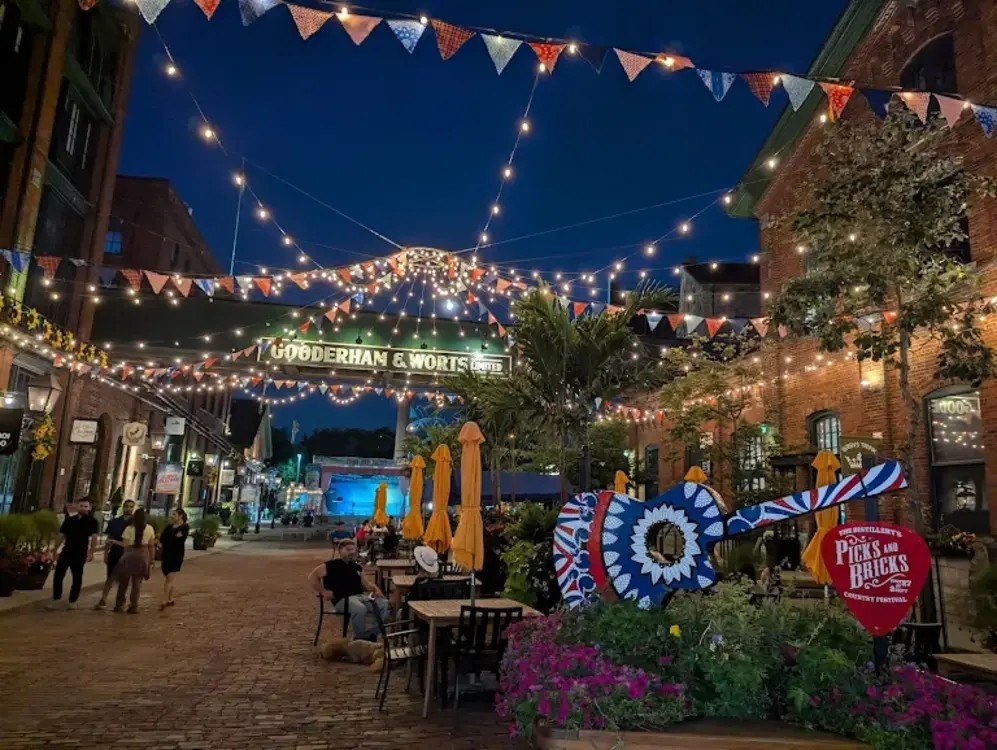
Times changed, however. Following Prohibition in the US and shifting economic realities, production began to decline. By the 1990s, the district had turned into a ghost town. Its only visitors were Hollywood film crews shooting gritty scenes (for instance, the first X-Men and Chicago were filmed here). The district was simply waiting for its next role.
The Birth of Soulpepper
In 1998, a group of twelve young, ambitious actors led by Albert Schultz decided to create something fundamentally new. They shared a common vision: to open a theatre where artistic decisions were driven by the creators themselves, rather than just administrators.
The company’s mandate was clear and ambitious:
- To present world classics through a uniquely Canadian lens.
- To train the next generation of theatre professionals.
- To create youth mentorship programs.
Their inaugural 1998 season at the Harbourfront Centre was an absolute sensation. Even though it featured only two plays—Schiller’s Don Carlos and Molière’s The Misanthrope—it was a resounding success. Soulpepper went against the grain by performing during the summer, a time when most Toronto theatres went dark. Tickets sold out instantly, and critics began buzzing about a powerful new force on the country’s cultural map.
An Era of Growth and the Move to the Distillery
For its first few years, Soulpepper operated as a summer repertory company. However, the theatre’s popularity skyrocketed so quickly that they needed their own home and a year-round production cycle. Under the leadership of its founding Artistic Director, Albert Schultz, the theatre began securing significant investments and government grants.
The turning point came in 2005. After wrapping up a massive fundraising campaign, Soulpepper moved into the Young Centre for the Performing Arts in the Distillery District, which was undergoing extensive revitalization at the time. Investors were actively looking for an anchor tenant—something to draw people to the neighbourhood for culture, not just shopping.
This is where landmark productions were born, going on to become part of the Canadian theatrical canon. Among them were the legendary interpretation of Thornton Wilder’s Our Town, which became the theatre’s calling card, and Tony Kushner’s Angels in America.
The theatre didn’t just stick to world classics, though. Ins Choi’s hit play Kim’s Convenience (2012)—the story of a Korean-Canadian family in Toronto—was a massive success. It eventually evolved into a hit TV series on CBC and Netflix, becoming a global cultural phenomenon.
An Architectural Triumph: A Theatre Inside Former Warehouses
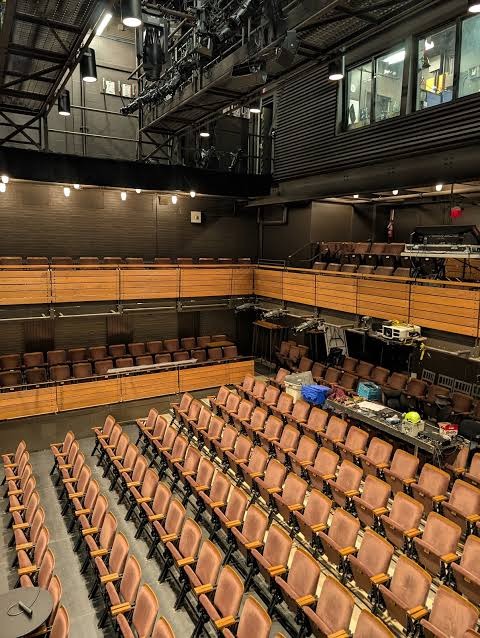
The Young Centre isn’t just a building; it’s a masterpiece of adaptive reuse. The theatre is housed in former warehouses along Tank House Lane. The architects pulled off the impossible: preserving the raw, 19th-century industrial aesthetic while seamlessly integrating modern glass structures, high-tech acoustics, and inviting lobbies.
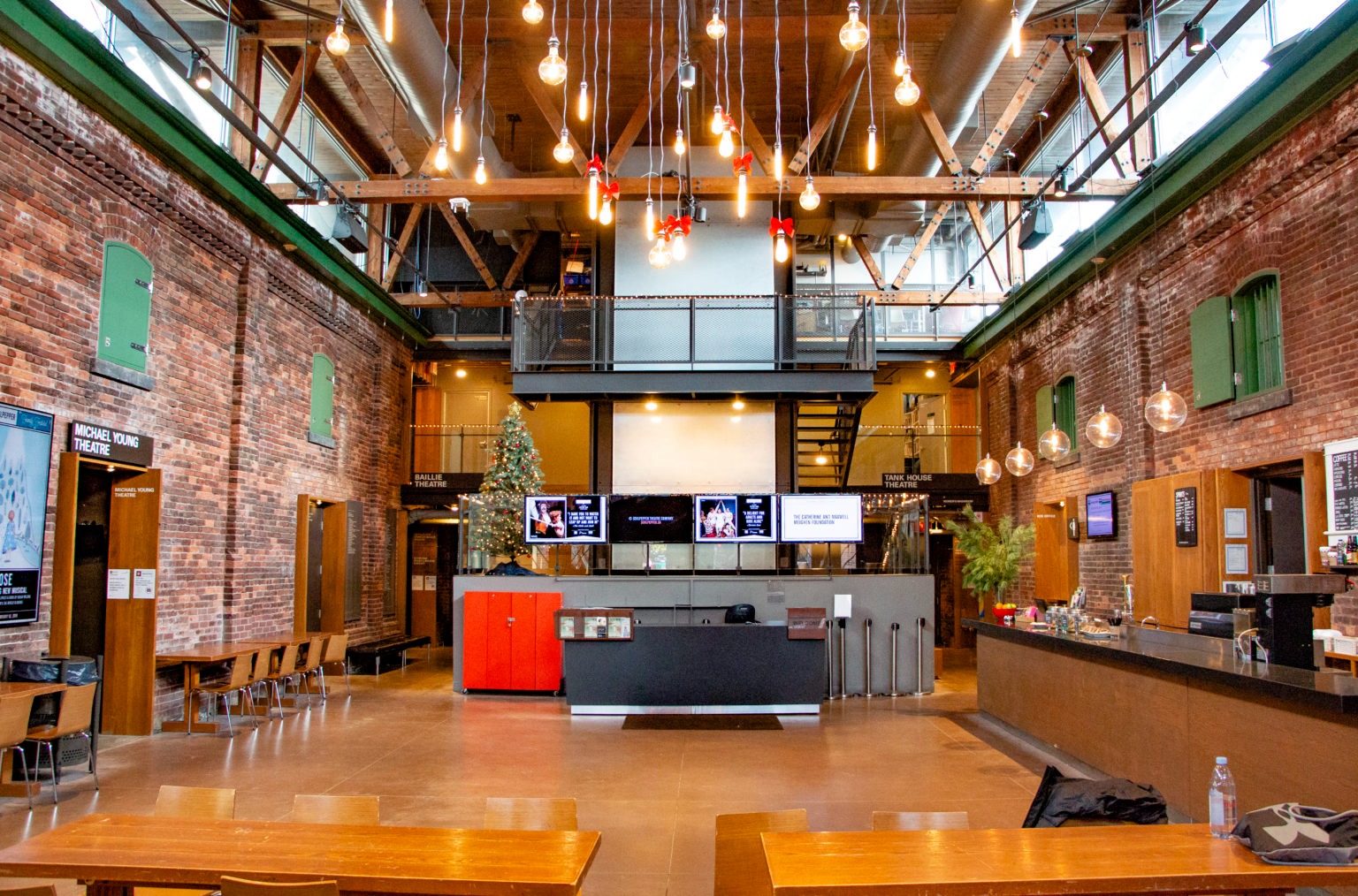
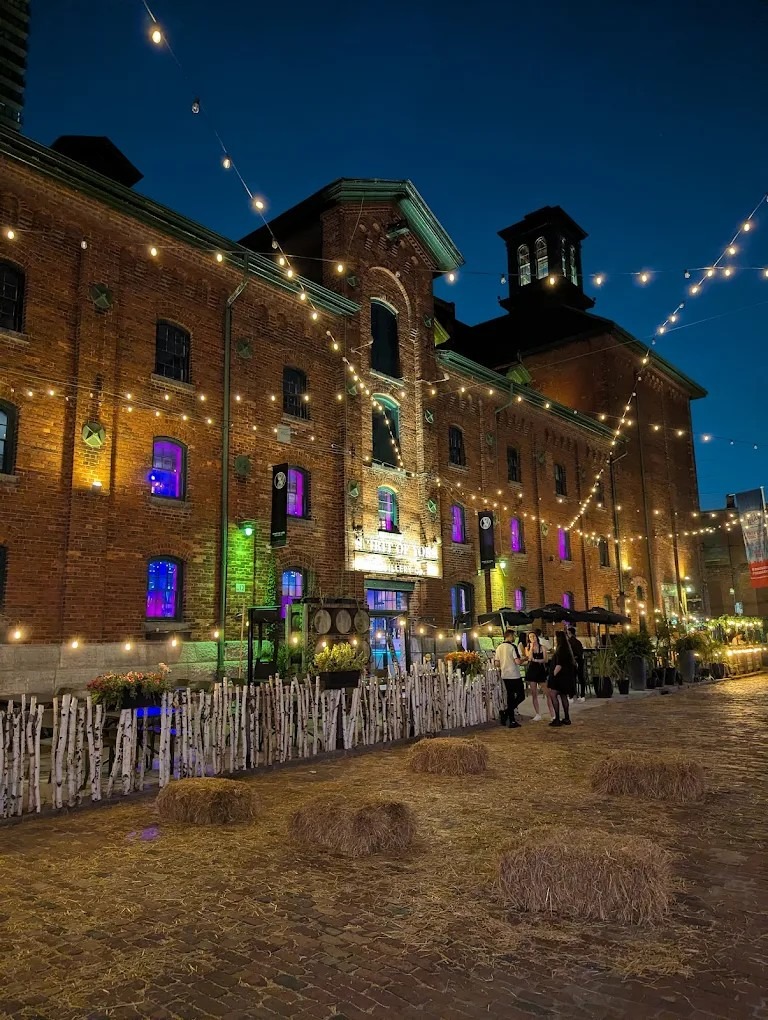
When you step into Soulpepper, you’re greeted by original red brickwork, massive wooden beams, and iron fixtures that hearken back to the days of assembly lines. This creates a striking contrast with the refined performances on stage. Audiences feel a connection across time—the city’s industrial past serves as a backdrop for its contemporary art.
The Soulpepper Academy and Its Educational Mission
One of Soulpepper’s defining features is its deep commitment to education. In 2006, the theatre launched the Soulpepper Academy—Canada’s only two-year, paid training program for theatre artists. It utilizes a unique “learn by doing” model, where young actors, directors, playwrights, and designers work side-by-side with seasoned veterans.
Beyond professional training, the theatre is deeply engaged with the community. Initiatives like “Youth Rush” (heavily discounted tickets for anyone under 21) and the “Bring Your Parent to the Theatre” program are designed to make the arts inclusive and accessible. For Soulpepper, art isn’t an elite club; it’s a catalyst for social change and mutual understanding.
Stepping Onto the Global Stage: 42nd Street
In 2017, Soulpepper made an unprecedented move for a Canadian theatre by staging a month-long festival of its own productions in New York City, right on 42nd Street. The “Soulpepper on 42nd Street” campaign showcased 12 original Canadian works to American audiences.
Productions like Spoon River and Of Human Bondage garnered rave reviews from The New York Times, cementing Soulpepper’s status as a world-class institution. This triumph proved that Canadian stories hold universal value and can resonate with audiences anywhere in the world.
Crisis and Transformation: The #MeToo Movement
Early 2018 brought the most difficult challenge in the company’s history. The theatre found itself at the centre of a scandal when four actresses filed lawsuits against Albert Schultz, alleging years of sexual harassment and abuse of power. These events sent shockwaves not only through the company but across Canada’s entire arts community.
The Board of Directors took decisive action: Schultz was forced to resign, and the theatre embarked on a profound internal transformation. It was a painful but necessary period of self-reflection. Soulpepper became one of the first major Canadian theatres to publicly overhaul its workplace culture, implementing strict safety and ethics protocols.
A New Chapter: Weyni Mengesha and Gideon Arthurs
A new era began in the fall of 2018. Weyni Mengesha, an acclaimed director known for her work on Kim’s Convenience and Da Kink in My Hair, stepped into the role of Artistic Director. Her appointment was deeply symbolic. Mengesha brought a fresh vision grounded in inclusivity, diversity, and the creation of a truly “safe space” for creativity.
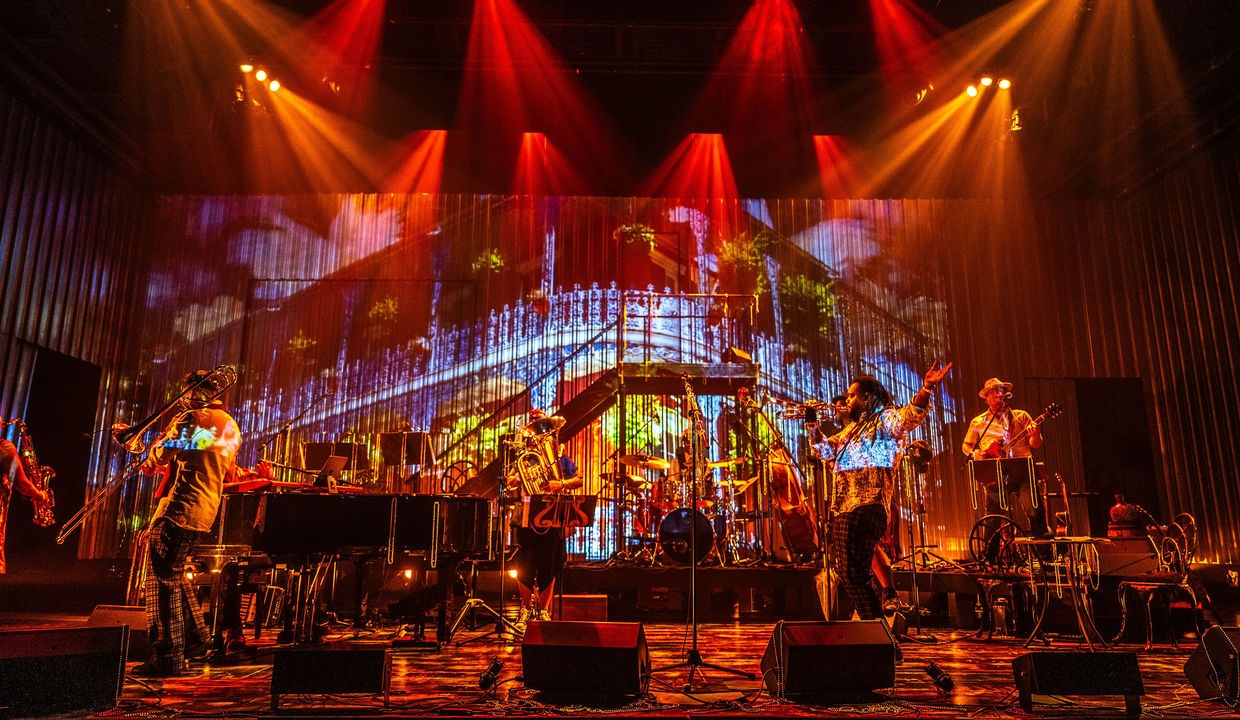
Today, under the leadership of Mengesha and Executive Director Gideon Arthurs (who joined the team in 2022), Soulpepper’s mission is clear: “Vital stories that connect us all.”
The theatre has become even more open to the voices of Canada’s Indigenous peoples and various ethnic communities. Initiatives like “Project imagiNation” commission artists from across the country to develop new works that explore the modern face of Canada.
The Mystical Vibe of Tank House Lane
Taking a stroll past the theatre in the evening—when the string lights illuminate Tank House Lane and the sounds of rehearsals drift through Soulpepper’s open doors—you can feel a very distinct energy. They say the walls of the old distilleries hold the memories of the thousands of people who worked here over a century ago. Soulpepper actors often joke that the ghosts of the old master distillers occasionally help them “age” their performances; much like a good whisky, the longer it takes, the better it gets.
Tips for Visiting Soulpepper
- Arrive early: The Young Centre lobby is one of the most stunning in the city. It frequently hosts free jazz performances or art exhibitions.
- Try the “theatre menu”: Many restaurants in the Distillery District offer special discounts or prix-fixe menus if you show your Soulpepper ticket.
- Youth tickets: The theatre runs an excellent program for anyone under 25 (Stage25), offering tickets at incredibly accessible prices. This puts high art well within reach for students.
Soulpepper in the Distillery District is proof that nothing disappears without a trace. Old walls can speak if you give them a voice. This theatre has bridged the gap between Toronto’s industrial past and its creative future.
If you want to feel the true pulse of modern Toronto—not the glass-tower version of Bay Street, but the one breathing with history and passion—you simply have to catch a show at the Young Centre. Because right here, surrounded by weathered red brick, the new soul of the city is being forged.
Fun fact: During the building’s restoration, crews discovered 19th-century bottles and tools buried beneath the theatre floor. Some of these artifacts are now integrated into the interior design, serving as a reminder that the stage where actors now perform was once home to massive vats of alcohol shipped all across North America.