


Toronto is renowned not only for its stunning architecture and rich history but also for its creative community of talented musicians. Many artists and bands that began in this vibrant city gained national fame across Canada. Since 1889, Toronto has been a hub for musical education, fostering talent in vocal and instrumental arts. Over time, the number of musicians and vocalists grew significantly, giving rise to new music genres. The city became a hotspot for concerts and festivals, showcasing some of the most popular bands. Read more on toronto-trend.
Blue Rodeo
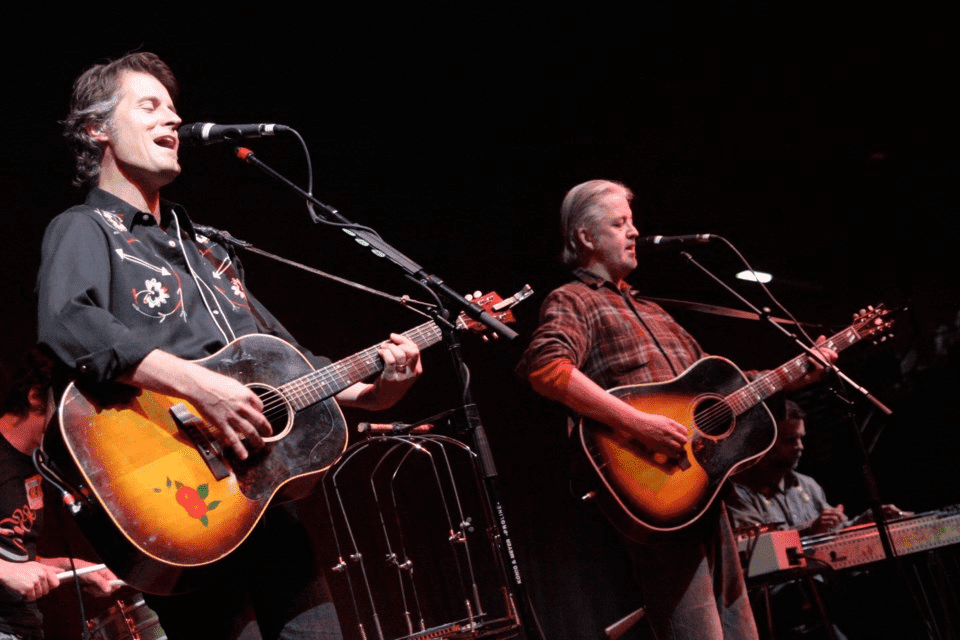
Formed in Toronto in 1984, Blue Rodeo was founded by two music enthusiasts and longtime friends, Jim Cuddy and Greg Keelor. After graduating from university, they decided to pursue their musical careers, forming the band soon after. They met drummer David Wilcox and keyboardist-producer Bob Wiseman, and in 1985, they held their first solo concert at the Rivoli restaurant. The band quickly gained momentum and popularity.
Their first breakthrough came when they signed a contract with the Canadian label Risque Disque. This was followed by the release of their debut album Outskirts, which featured alternative rock and folk-rock tracks that became hits. In 1992, their song After the Rain topped the charts in Canada. By 1999, the band had sold over two million albums nationwide.
Barenaked Ladies
Another iconic band from Toronto is Barenaked Ladies, formed in 1988 in the city’s suburbs. Initially a duo of Ed Robertson and Steven Page, the pair met at a Peter Gabriel concert and bonded over their shared passion for music. They began writing songs together and performed on Toronto’s streets and at festivals, later meeting future drummer Tyler Stewart.
The band gained widespread recognition in 1991 after recording a demo album that they sold directly to fans at concerts and sent to Canadian music companies. Their cassette sales became so popular that local stores began stocking Barenaked Ladies. The band released their first albums, including Gordon, If I Had $1 Million, and Maybe You Should Drive. They explored styles ranging from rap to rock.
In 1998, their hit song One Week topped Canadian music charts for days. Following their successful Everywhere For Every tour, the band continued to perform across the U.S., release new music, and sell albums in the thousands.
Anvil
A Toronto-based rock band, Anvil followed in the footsteps of legends like Megadeth and Metallica. Formed in April 1973 by rock enthusiasts Steve Kudlow and Robb Reiner, the band solidified in 1979 with the addition of Dave Ellison and Ian Dickson. Over three years, they crafted their debut album Hard ‘n’ Heavy, signing with Attic Records shortly thereafter.
Their early career was marked by hits like Forged in Fire and Metal on Metal. However, the band faced challenges in maintaining their popularity until 1991, when they released Worth The Weight under Maximum Records. This album resonated with fans, and the addition of new members revitalized their creative output. Subsequent albums like Plugged In…, Absolutely No Alternative, and Speed of Sound made Anvil a household name in Toronto, leading to further concert tours.
Broken Social Scene
A cornerstone of Canada’s indie rock scene, Broken Social Scene was founded by Brendan Canning in 1999. Canning, who dreamed of being a musician since childhood, had honed his craft performing in various Toronto bands. Together with other musicians, he recorded five albums that earned the group a spot as festival favourites.
Broken Social Scene was known for its vibrant and ambitious style, blending various musical influences. They performed extensively in Toronto, across Canada, and internationally, building a devoted following.
Klaatu
The Toronto music scene of the 1990s wouldn’t be complete without mentioning the rock band Klaatu. Comprised of John Woloschuk, Dee Long, and Terry Draper, the band gained fame for their unique mix of rock styles, including pop, progressive rock, and symphonic rock. Their sound often drew comparisons to The Beatles.
Their debut album, 3:47 EST, released in 1976, caused a sensation. The band deliberately omitted photos or credits from the album, leading many to believe it was a hidden Beatles release. Once this mystery was debunked, Klaatu was praised for their originality and continued to release hit songs, including At the End of the Rainbow, I Don’t Want to Go Home, and Little Neutrino. They toured Canada under Capitol EMI Canada but eventually lost popularity, leading to their disbandment.
Eidolon
Toronto residents embraced the neo-metal sound of Eidolon, formed in 1993 by guitarist Glen Drover and drummer Shawn Drover. The duo established their music studio and brought in vocalist Nils K. Rue and bassist Chris Bailey. Their 1996 debut album, Zero Hour, gained attention, and the band quickly rose to prominence with concerts beyond Toronto.
Despite releasing five albums, Eidolon disbanded as demand for their music waned. However, their influence on the Toronto music scene remains significant.
Four80East
An electro-jazz duo from Toronto, Four80East consists of Rob DeBoer (bass, guitar) and Tony Grace (drums). Initially working as producers for other artists under their Boomtang label, the pair developed their own unique style. Their 1997 debut album, The Album, garnered critical acclaim and public attention. This success led to follow-ups like Nocturnal and Round 3.
Four80East became a favourite among jazz enthusiasts, blending genres such as electro-jazz, modern jazz, and club jazz. They toured extensively and solidified their place in Toronto’s vibrant music history.
Sources: