The first recording studios in Toronto emerged in the early 20th century, laying the foundation for what would become a thriving music industry. These studios worked with well-known performers, experimented with new technologies, and built a production base that eventually turned the city into one of Canada’s main recording hubs. Over the years, infrastructure expanded, independent studios and professional communities appeared, and Toronto gradually became a place where modern approaches to music production took shape. More on toronto-trend.
The Early Days of Recording in Toronto
Canada’s recording story began long before major studios appeared in Toronto. The first known recordings were made in Ottawa in 1878, when enthusiasts experimented with Edison’s phonograph — a device that captured sound on wax cylinders. These were short, technical attempts, but they marked the beginning of Canadian sound recording.
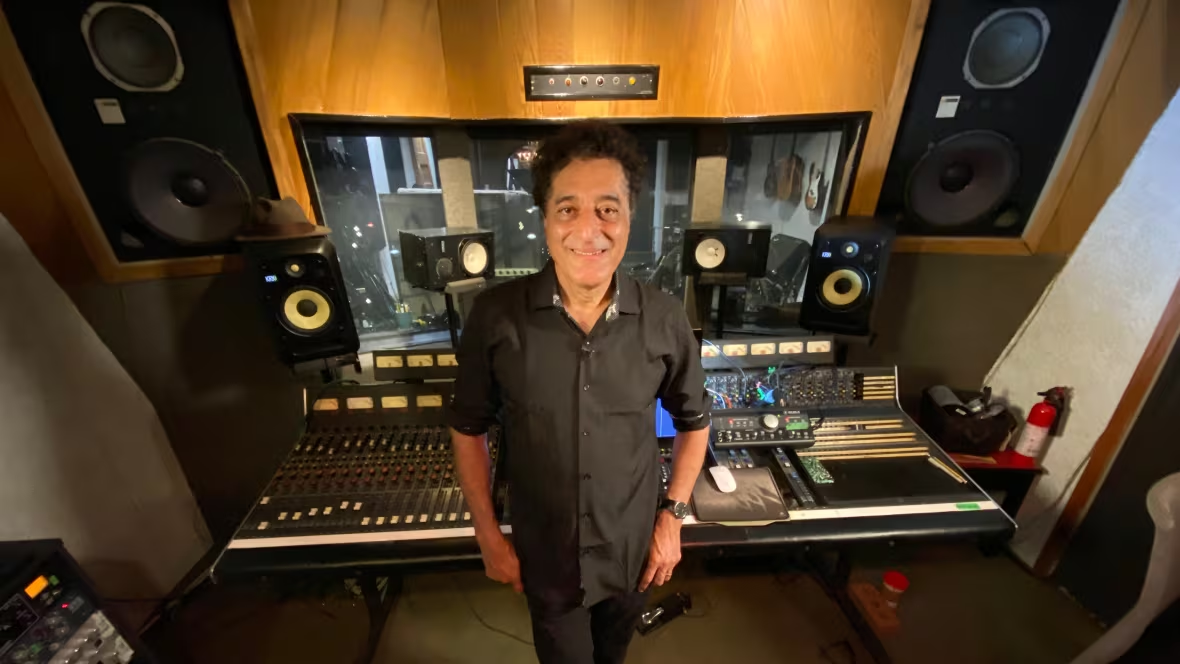
By the early 20th century, major international companies like Victor Talking Machine Company and Columbia Records had opened branches in Canada. Gramophones and records were sold widely, and the recording market grew quickly. Through these companies, new technologies arrived from Europe and the U.S., helping to spread music across the country.
Early studios operated purely mechanically, without electricity. Performers stood in front of a large horn that captured and transmitted sound directly onto a wax disc. Everything was recorded live — no editing, no retakes.
In the 1940s and 1950s, technology advanced further. Studios began using electric microphones, magnetic tape, and modern playback systems. Radio stations — particularly CBC studios in Toronto — became key recording venues for concerts and variety shows. This led to the rise of professional engineers and musicians working both on-air and in studios.
By the late 1960s, Toronto had its first fully modern recording studio: Toronto Sound Studios (opened in 1969). It quickly became a favourite among local bands and performers. With the city’s growing rock and folk scenes, there was a real demand for professional recording spaces. Studios like this gave local artists the tools to create high-quality projects and compete with their American counterparts.
The Studio Boom: 1960s–1980s
Between the 1960s and 1980s, Toronto saw a surge of studios that could rival their American counterparts in both technology and service. One of the most famous was Eastern Sound, located in Yorkville. It featured state-of-the-art multi-track equipment, allowing for complex arrangements and large ensembles. Artists like Gordon Lightfoot, Anne Murray, and Rush all recorded there.
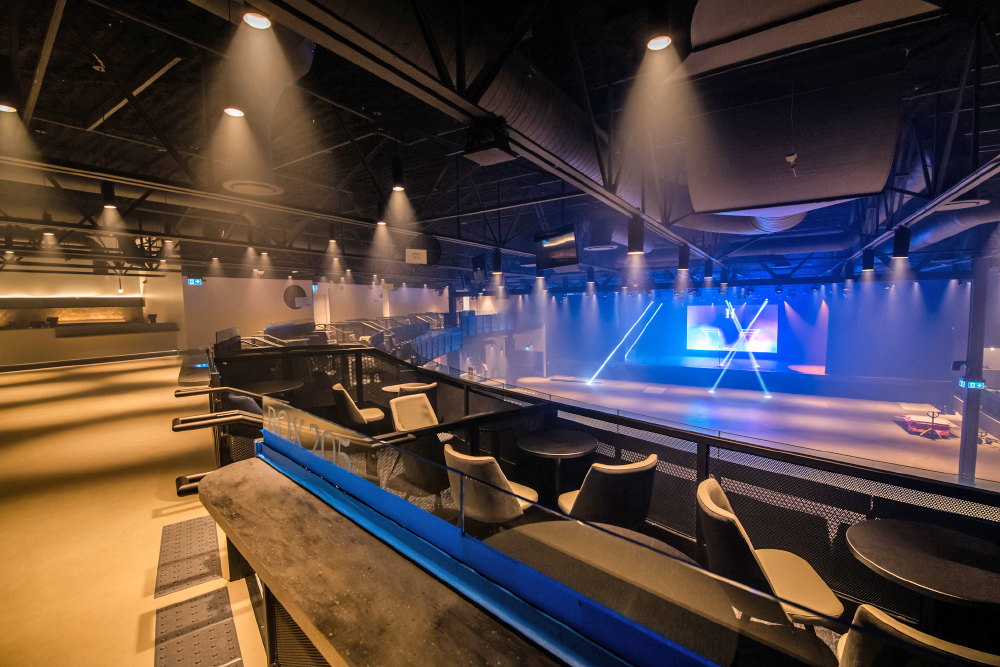
Another landmark was Sounds Interchange, known for its scale and technical sophistication. International stars including The Rolling Stones and David Bowie used it as their Canadian base. Its reputation was stellar — big projects could be turned around quickly and at a world-class level.
This period also brought rapid technological change. Studios adopted multi-track recording, allowing engineers to separate instruments and vocals for cleaner mixes. Acoustic panels were installed, and at Nimbus 9, rotating walls were introduced to instantly change a room’s sound without interrupting sessions.
Alongside large studios, independent spaces began to flourish. A great example is Kensington Sound, opened in 1972. Styled with a warm vintage aesthetic, it became a creative hub for young bands eager to record hits in a cozy, character-filled space.
The Digital Shift
By the late 1980s and early 1990s, Toronto’s music scene was undergoing a technological revolution. Studios began adopting the first digital audio workstations (DAWs), sound-editing tools, and digital mixing systems. Instead of massive consoles and racks of gear, much of the work moved into computers. Studios upgraded their infrastructure — from cabling to software — to keep pace and attract a new generation of artists.
Mid-sized studios also emerged, bringing fresh approaches. One standout was Chemical Sound, founded in 1992. It blended vintage analog gear with modern digital tools, making it a favourite among rock and indie bands. Over time, though, rising real estate pressures forced it to close or relocate — a reminder of how technology and urban development shaped the industry.
The digital transition brought both opportunities and challenges. As equipment became cheaper, more artists started recording at home. This increased competition for traditional studios and reduced demand for expensive multi-room facilities. Some big studios couldn’t adapt and closed, while others shifted toward niche services and high-end production.
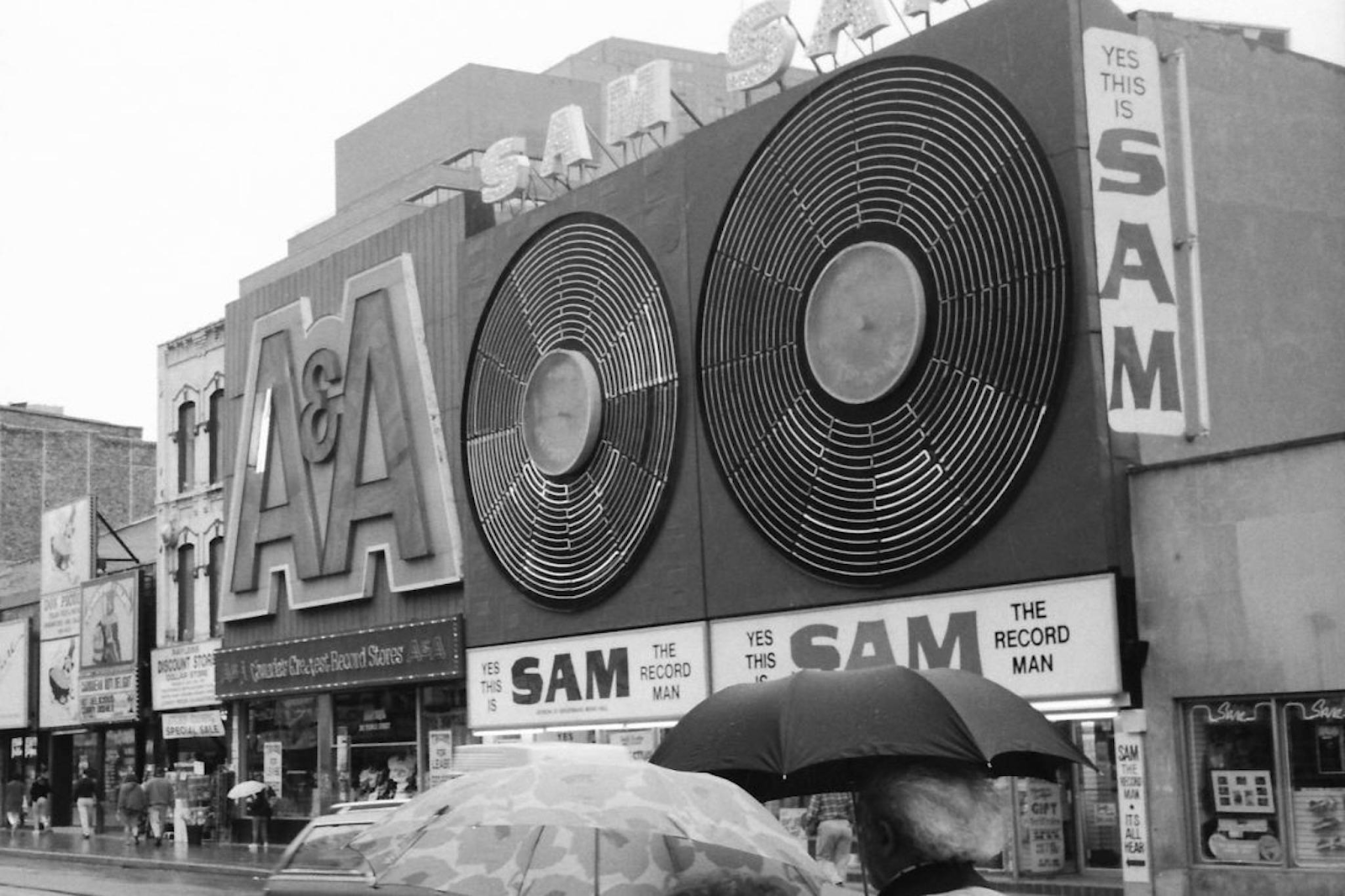
Recording in Toronto Today
Toronto’s recording landscape looks very different today. Major studios still hold strong, but they’ve had to adapt to a rapidly changing environment. At the same time, home studios are booming, digital platforms are expanding, and recording technology is more accessible and high-quality than ever.
One of the city’s most striking modern spaces is Noble Street Studios, which opened in 2011. Designed to meet the highest acoustic standards and equipped with top-tier digital and analog gear, it attracts international stars, major labels, and local musicians alike.
By 2025, hybrid recording formats are gaining popularity — blending the warmth of vintage equipment with the precision of digital tools. Producers and engineers use classic microphones and consoles alongside DAWs to achieve sounds that are both organic and easily editable.
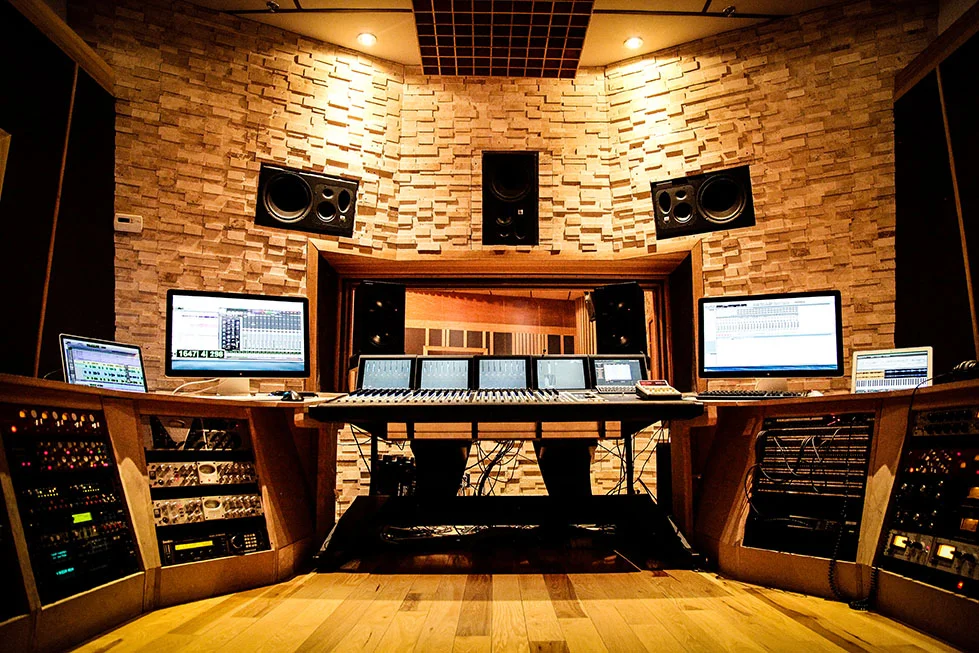
The roles of producers and engineers have evolved too. Many now work freelance, remotely, or run their own boutique studios. Labels focus not only on recording but also on digital promotion through streaming platforms and social media.
Key trends include the rise of DIY recording, ongoing digitalization, and increasing international collaborations made possible by the internet. Streaming platforms have changed the game — a track produced in a Toronto apartment can now reach global charts without ever passing through a major studio.
Sources: