


Today, Toronto is widely considered one of the world’s major theatre centres, second only to New York and London. But this wasn’t always the case. In the early 20th century, the city’s theatrical scene was mostly limited to touring British troupes or amateur productions. The vibrant landscape we see today—professional stages, a national school, and prestigious awards—is the result of one woman’s monumental efforts. Her name is Dora Mavor Moore, reports toronto-trend.
Roots and Upbringing: Growing Up in Intellectual Toronto
Dora Mavor was born on April 8, 1888, in Glasgow, Scotland, but her destiny was inextricably linked to Toronto. Her family moved there when she was just six years old. Her father, James Mavor, was a prominent figure: a professor of political economy at the University of Toronto and a driving force in the city’s intellectual life.
Growing up in this environment laid the groundwork for her character. The Mavor home was a bustling hub for scholars, artists, and politicians. It was her father who instilled in Dora the belief that culture isn’t merely entertainment; it is the bedrock of national identity. At a time when Canada was still searching for its own identity and trying to step out of the British Empire’s shadow, Dora realized something crucial: Canadians desperately needed their own voice on stage.
Her path to the theatre, however, wasn’t a straightforward one. Despite his deep education, her father was highly skeptical about acting as a career for his daughter. It wasn’t until she found success in university productions—most notably playing Rosalind in As You Like It—that Dora finally recognized her true calling. For her, the theatre became a space of freedom and self-expression, something she sorely missed in the strict academic atmosphere of her childhood home.
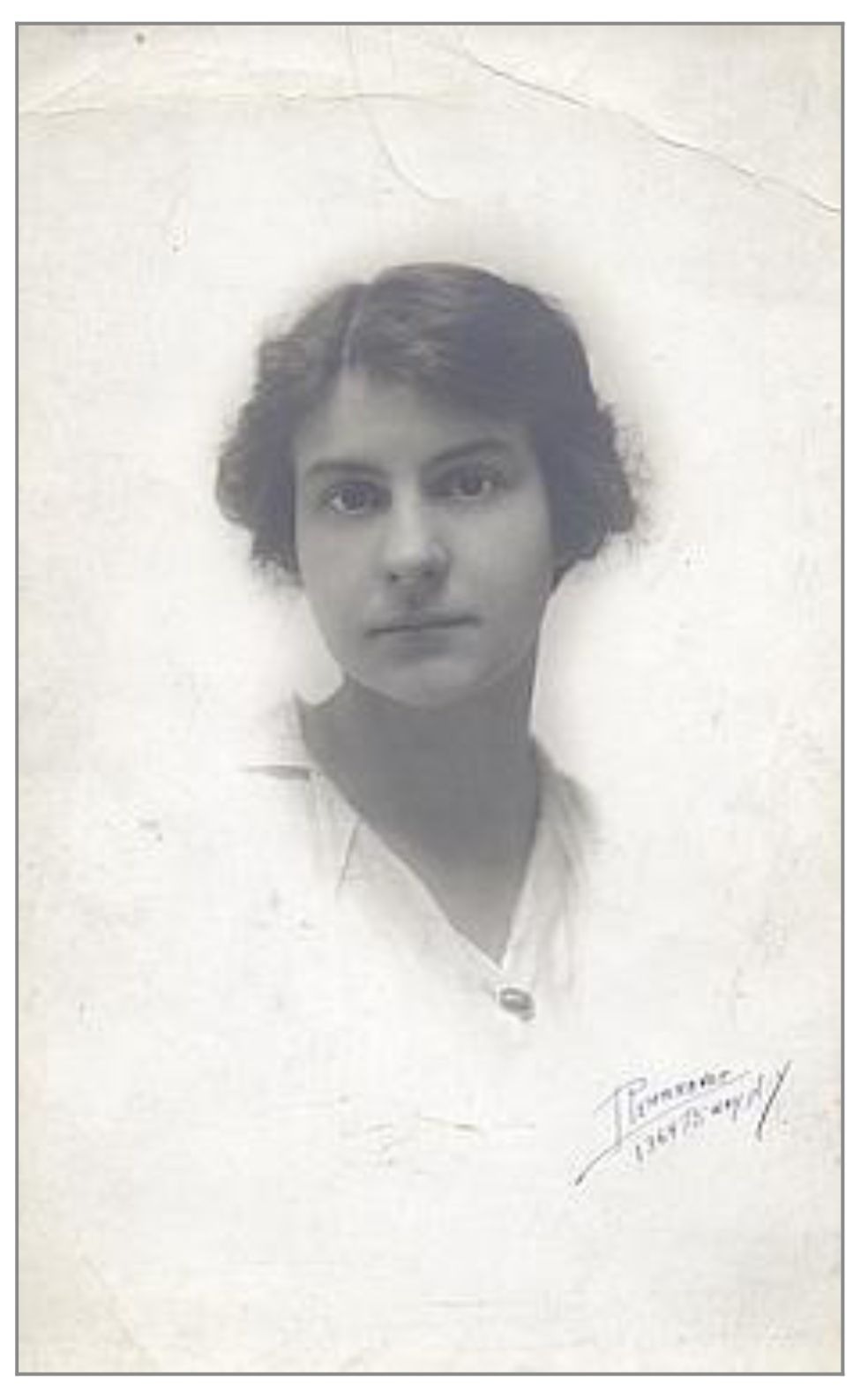
In 1912, she made history as the first Canadian student accepted into the prestigious Royal Academy of Dramatic Art (RADA) in London. Her time there provided her with more than just rigorous technical skills. Inspired by the Irish experience of the Abbey Theatre, she gained a profound understanding of the powerful role a national theatre could play.
Early Steps and Wartime Experience
After returning to Canada, Dora launched her professional career with the Ottawa Colonial Stock Company. She later toured the U.S. with Ben Greet’s Pastoral Players. Greet became her primary mentor, passing on his deep love for Shakespeare and a strict sense of professional discipline.
During the First World War, Dora lived in London with her husband, army chaplain Francis Moore. It was there that she wrote her name into the history books as the first Canadian to perform on the stage of the renowned Old Vic theatre, playing Viola in Twelfth Night. Working through the war—a time when theatre offered much-needed solace to soldiers and civilians alike—solidified her belief in the social mission of the arts.
The Interwar Years: Theatre as a Service
Her return to Canada in 1919 marked the dawn of a new chapter. Dora balanced raising her three sons (Francis, James Mavor, and Peter) with a jam-packed schedule of teaching and directing. Following her divorce in 1928, the theatre became not just her passion, but her livelihood. She taught everywhere: from the University of Toronto to summer camps and private girls’ schools.
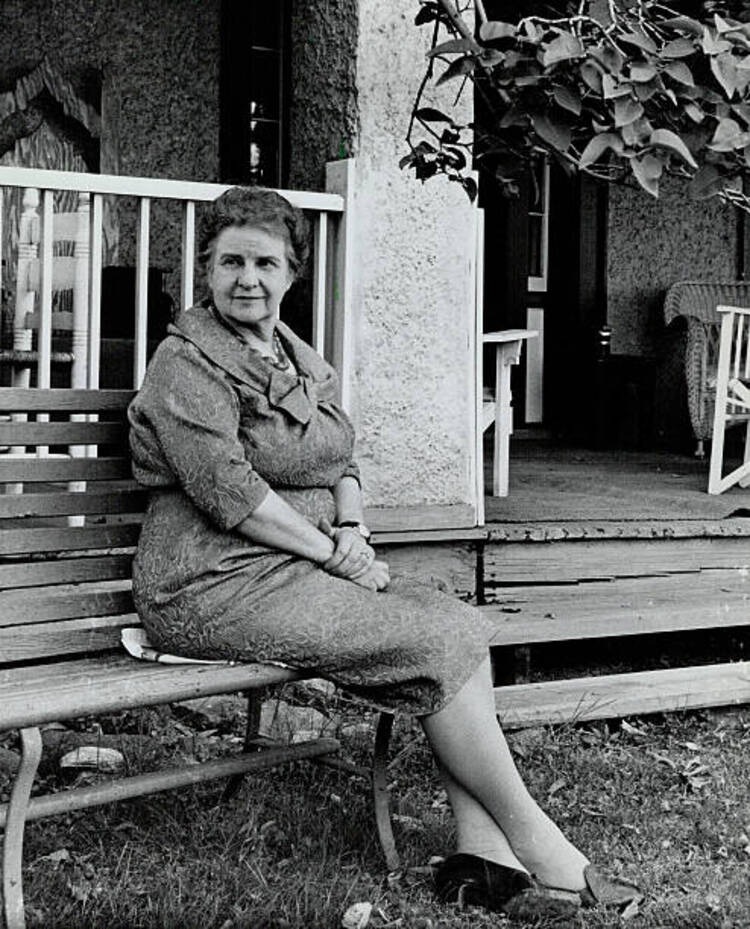
Dora Moore firmly believed that every child had a natural knack for acting, and that through performance, they could overcome their personal barriers. Her teaching philosophy was rooted in nurturing individuality through clear diction, proper pronunciation, and pantomime. She practically trained an entire generation of Canadian actors and theatregoers who would eventually form the backbone of the country’s professional stage.
In the 1930s, she collaborated extensively with Herman Voaden, staging plays for university groups and religious congregations. Her growing reputation as a master of Shakespearean production would later play a pivotal role in the founding of the Stratford Festival.
The Barn Theatre and the Village Players
In 1938, Dora made a bold move: she bought an old farmhouse on Bathurst Street. A rustic barn on the property was completely transformed into an 80-seat theatre. This whimsical space became the birthplace of the Village Players.
It was a truly unique experiment. The Barn Theatre had no electricity—relying instead on candles and tin reflectors—and the dressing rooms were set up in a former chicken coop. Yet, this humble venue hosted the first Canadian productions of plays by Lorca and Tennessee Williams. The Village Players operated as a non-profit cooperative where everyone chipped in, doing everything from sweeping the stage to playing lead roles. Dora’s guiding motto was simple: “There are no small parts, only small actors.”
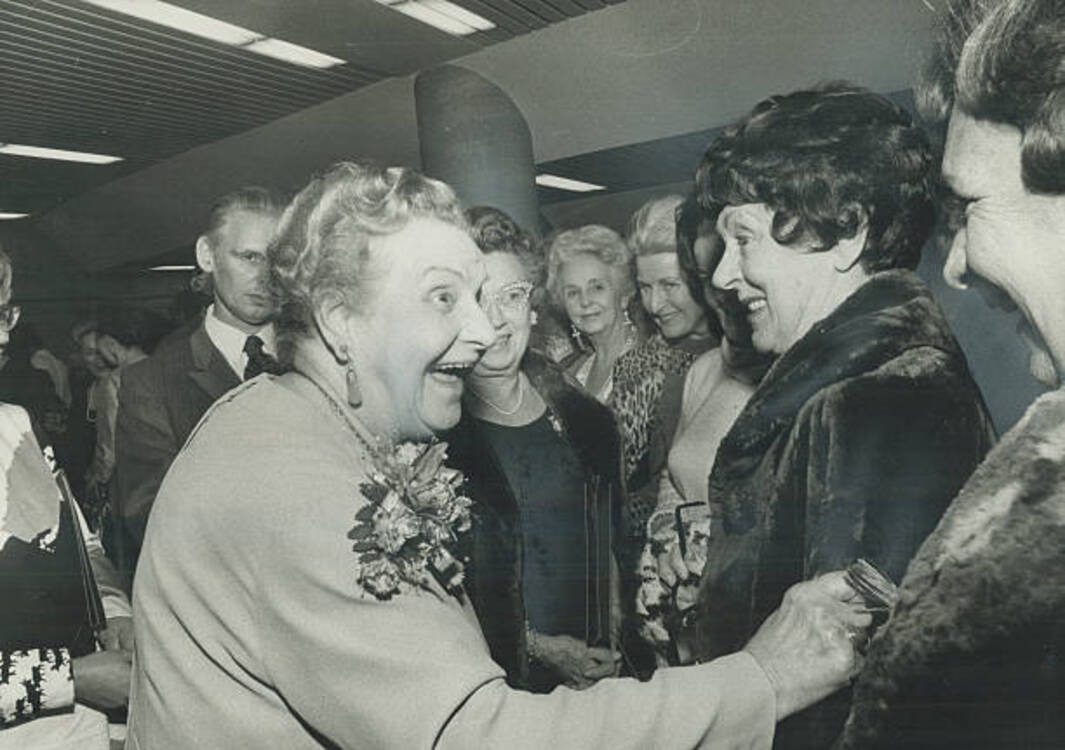
Throughout the Second World War, the troupe performed for the military, and the Barn Theatre became a genuine laboratory for young talent. Among those who honed their craft under Dora were Don Harron, William Needles, and her own son, Mavor Moore, who would go on to become one of Canada’s most influential cultural powerhouses.
The New Play Society: A Breakthrough to Professionalism
After the war ended in 1946, Dora Moore realized that Canada desperately needed its own professional theatre. Partnering with her son Mavor, she founded the New Play Society—the very first professional theatre company in post-war Toronto.
Their debut production was J.M. Synge’s The Playboy of the Western World, staged in the basement of the Royal Ontario Museum (ROM). Despite a total lack of basic amenities (they didn’t even have washrooms backstage), the Society quickly became a cultural hotspot. It was here, in 1948, that the legendary satirical revue Spring Thaw was born, relentlessly poking fun at Canadian life and politics. This beloved show ran until 1971, cementing its status as a bona fide cultural phenomenon.
The New Play Society achieved the impossible: it proved once and for all that Canadian audiences were willing to pay good money to see Canadian plays. In 1949, they staged Morley Callaghan’s To Tell the Truth at the Royal Alexandra Theatre. It marked the first all-Canadian production to ever grace that highly prestigious stage.
The Stratford Festival and International Acclaim
One of Dora Moore’s most monumental contributions to Canadian culture was her role in establishing the Stratford Shakespeare Festival. It was Dora who managed to convince the brilliant British director Tyrone Guthrie to come to Canada. Her working relationship with Guthrie, which had actually begun back in 1930 through radio productions, served as the ultimate bridge connecting European expertise with raw Canadian enthusiasm.
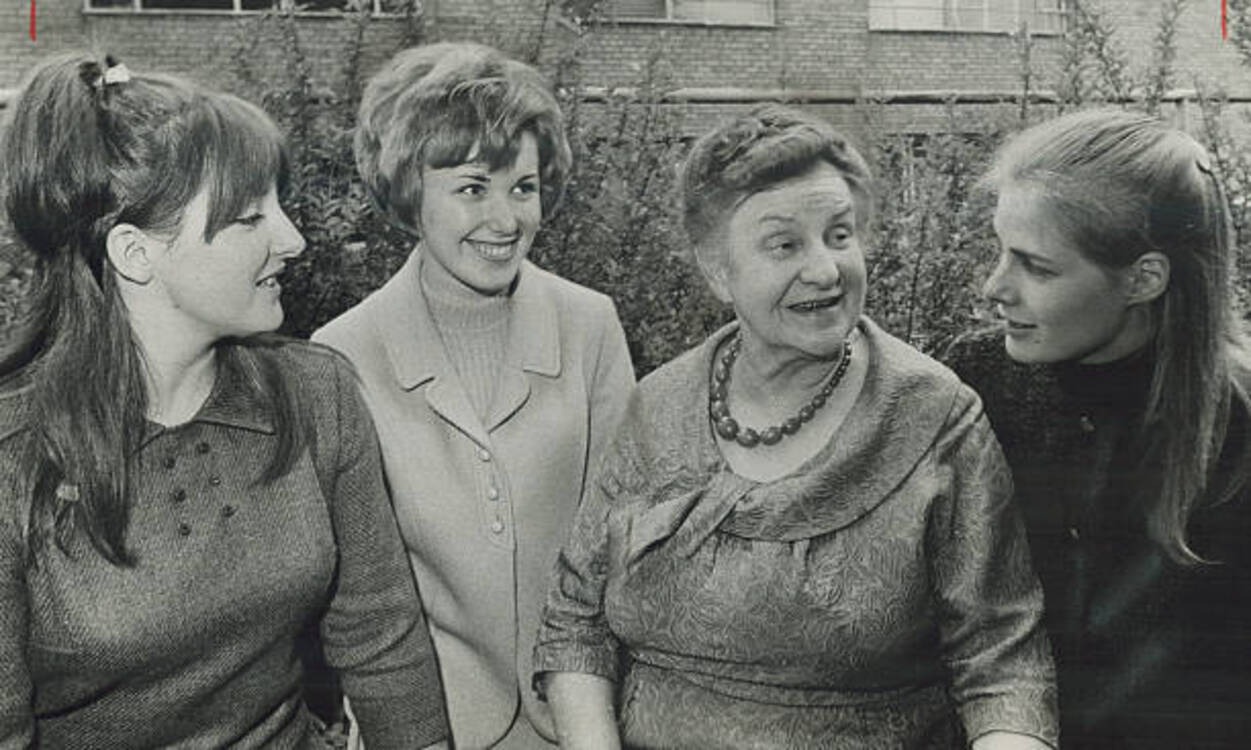
Dora Moore never chased personal glory or the spotlight. To her, the theatre was always an instrument for social progress. Her groundbreaking work with patients in psychiatric hospitals, where she actively used drama as a form of therapy, was truly revolutionary for its time.
Legacy and Remembrance
Dora Mavor Moore passed away in 1979 at the age of 91. Over her incredibly long and prolific career, she received countless accolades, including the Order of Canada in 1970 and several honorary doctorates. Yet, for her, the absolute highest honour was having a theatre award named in her memory.
When her former student Leon Major asked for permission to name the award after her, Dora was deeply moved. She openly admitted that the respect of her peers meant far more to her than any official governmental titles. The inaugural Dora Awards ceremony took place in 1981, shortly after her passing. Today, the Dora Mavor Moore Awards serve as the Canadian equivalent of the Tonys, standing as the ultimate symbol of theatrical achievement.
Dora Moore’s artistic influence lives on vividly through her descendants. Her granddaughters, Charlotte and Tedde Moore, both became successful actors. Meanwhile, her great-grandson, Noah “40” Shebib, is a globally renowned music producer best known for his collaborative work with Drake, beautifully highlighting the boundless creative spirit that runs through this remarkable family.
Conclusion
Dora Mavor Moore was a woman who consistently saw massive potential where others only saw a void. She transformed scrappy amateur drama clubs into a well-oiled professional industry, and turned an old, draughty barn into a beautiful sanctuary for the arts. Her life is a powerful reminder that culture doesn’t just happen organically—it is built by the sheer effort and grit of people brave enough to dream big and work tirelessly for their community.
She was a pioneer in many respects, but her greatest achievement is that she wasn’t the last to walk that path. Thanks to her relentless dedication, Canadian theatre today is vibrant, incredibly diverse, and unapologetically professional. Dora Mavor Moore will forever be celebrated as the “mother” who lovingly nurtured the theatrical soul of Canada.