


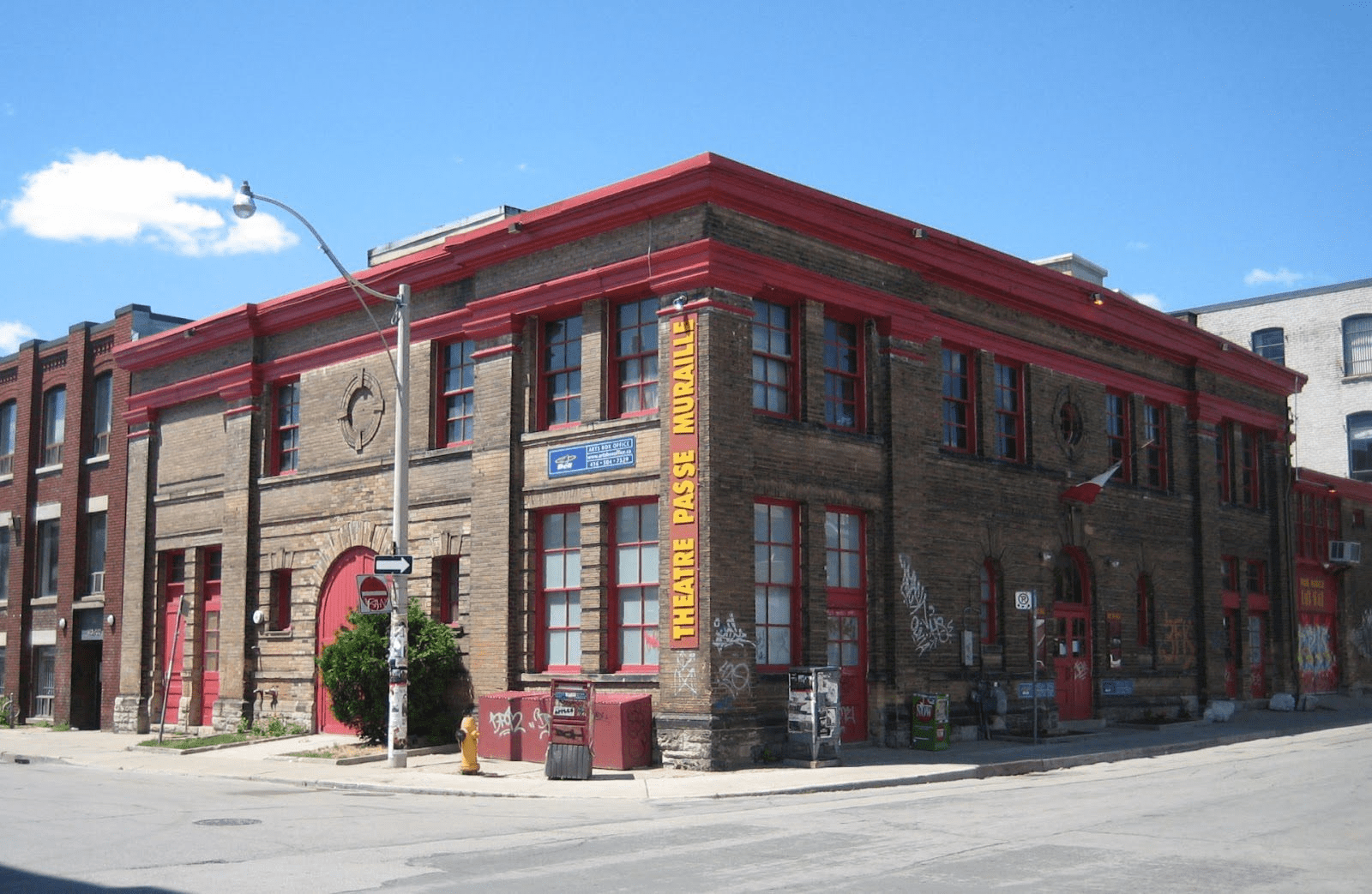
Theatre Passe Muraille (TPM) is a Toronto-based company that has made significant contributions to the development of theatre in Canada. Renowned for its historic venue—once a bakery transformed into two vibrant performance spaces—TPM focuses on creating and producing alternative plays that reflect Canadian culture and nurture emerging talent.
The Founding of TPM
In 1968, Jim Garrard established Theatre Passe Muraille, one of the first alternative theatre companies in Canada. Initially housed in Rochdale College, then North America’s largest free university, the company aimed to break down barriers between performers and audiences, emphasizing the importance of theatre in everyday life.
In 1969, TPM moved to a church hall at 11 Trinity Square, where it began producing a range of plays, including notable productions like Jean Genet’s The Maids and Lanford Wilson’s Home Free.
In 1972, Paul Thompson took over as artistic director. Under his leadership, TPM expanded and acquired its current venue—a former bakery at 16 Ryerson Avenue—which it converted into a unique theatrical space.
Growth and Development
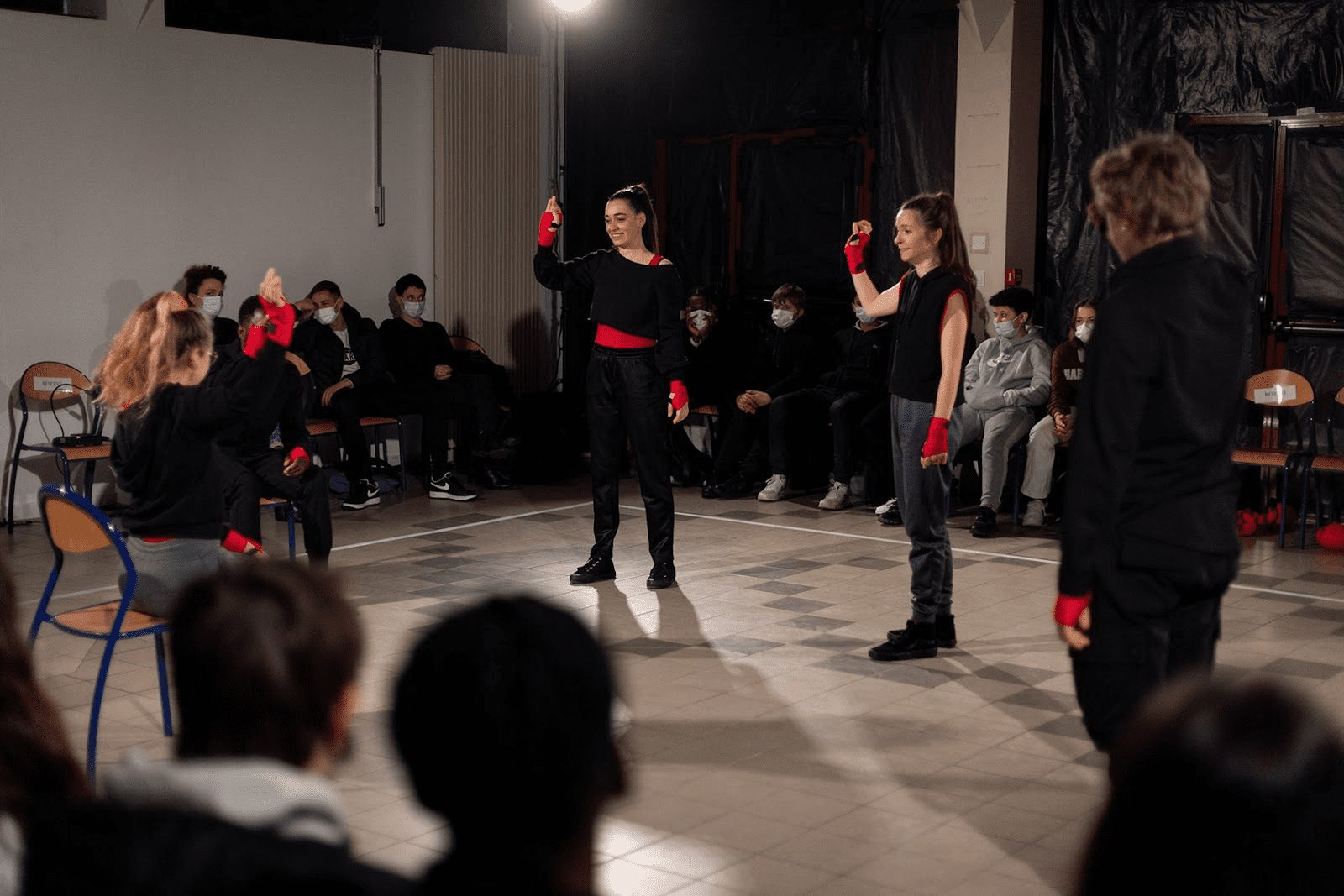
From 1972 to 1990, TPM attracted talented performers from across Canada and embraced a pioneering Canadian spirit. Notable productions from this period include The Farm Show (1972) and I Love You, Baby Blue (1975). TPM collaborated closely with emerging actors, involving them in the playwriting process, which fostered a unique approach known as collective creation—a hallmark of the company’s work to this day.
During this time, TPM partnered with several influential companies, including Buddies in Bad Times, Richard Rose’s Necessary Angel, Nightwood Theatre, and VideoCabaret, enabling diverse communities to perform on stage and reach new audiences. These collaborations played a key role in sparking public interest in experimental theatre in Toronto.
In the 1980s, TPM showcased the works of new playwrights like Sally Clark and Brad Fraser, solidifying its reputation as a platform for innovative Canadian theatre.
In the 1990s, TPM focused on politically charged themes, presenting plays such as The Last Supper (1994), Aurash (1998), and Healey’s The Drawer Boy (1999). These works resonated with audiences and reflected the company’s commitment to addressing social and political issues.
From 2000 to 2010, TPM prioritized cultural diversity, producing works that captured the interest of a broad audience. Standout productions included The Yoko Ono Project (2000) and Jean Yoon and Trey Anthony’s da kink in my hair (2003), which celebrated diverse voices and perspectives.
TPM also launched the Buzz Play Development Program, designed to support new works. This initiative focuses on plays in development, inviting creative teams to engage directly with audiences through feedback sessions, fostering a deeper connection between creators and spectators.
Today, Theatre Passe Muraille aims to lead locally, nationally, and internationally by championing inclusive theatre practices. The company is dedicated to supporting and showcasing independent artists and theatre companies, promoting collaboration, and delivering engaging performances to audiences.
TPM’s current mandate emphasizes nurturing emerging artists, fostering innovative collaborations, and modeling new approaches to creative partnerships. By prioritizing inclusivity and innovation, TPM continues to push boundaries and solidify its role as a vital force in Canadian theatre.