


Every Canadian city has its unique musical history, and Toronto’s story is particularly fascinating. From compositions that healed and uplifted to melodies that brought joy and positivity, Toronto’s musical journey reflects its cultural richness. Explore this history further in this article on toronto-trend.
The Influence of Immigrants on Toronto’s Music
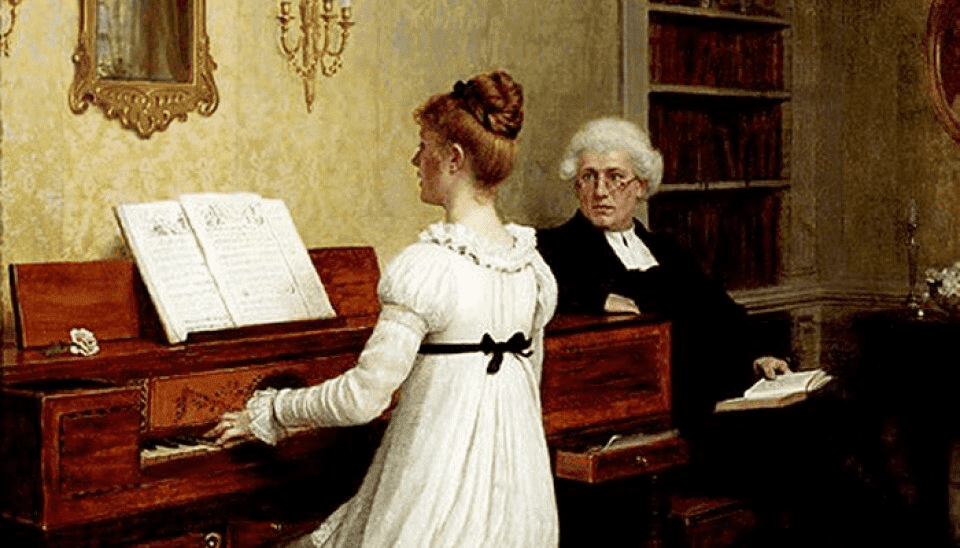
The development of music in Toronto traces back to ancient times, shaped by the diverse people who created and performed it.
As a relatively young nation compared to others, Canada’s love for music began long before its recognition as an independent society. Much of the music enjoyed in Toronto and across Canada resulted from the cultural traditions of European immigrants. These settlers eagerly shared their customs with Torontonians. Even before immigration, music played a significant role in the lives of Indigenous peoples and early settlers. Traditional throat singing and ceremonial drumming were integral to their cultural and religious practices.
When French immigrants arrived in Canada during the 17th century, they introduced various musical genres and instruments. They not only played their music but also taught the local populations, influencing and reshaping the musical landscape. European settlers brought advanced knowledge of music as an art form, significantly impacting local compositions.
British colonization in the 18th century further diversified Toronto’s musical styles. During this time, most compositions had a military character. The spread of immigrant music contributed to the Westernization of local traditions. By the mid-1700s, this Western influence became evident in operatic performances and concerts.
By the 1800s, music in Canada was not taken as seriously as in Europe. While European composers earned a living creating unique compositions, most musicians in Toronto made ends meet by singing in churches, teaching music, or repairing instruments.
Despite these challenges, many musicians wrote original folk songs, often performed on fiddles and other instruments. Some of these melodies became timeless classics, still performed by opera singers in modern Toronto.
The Commercialization of Music and Classical Works
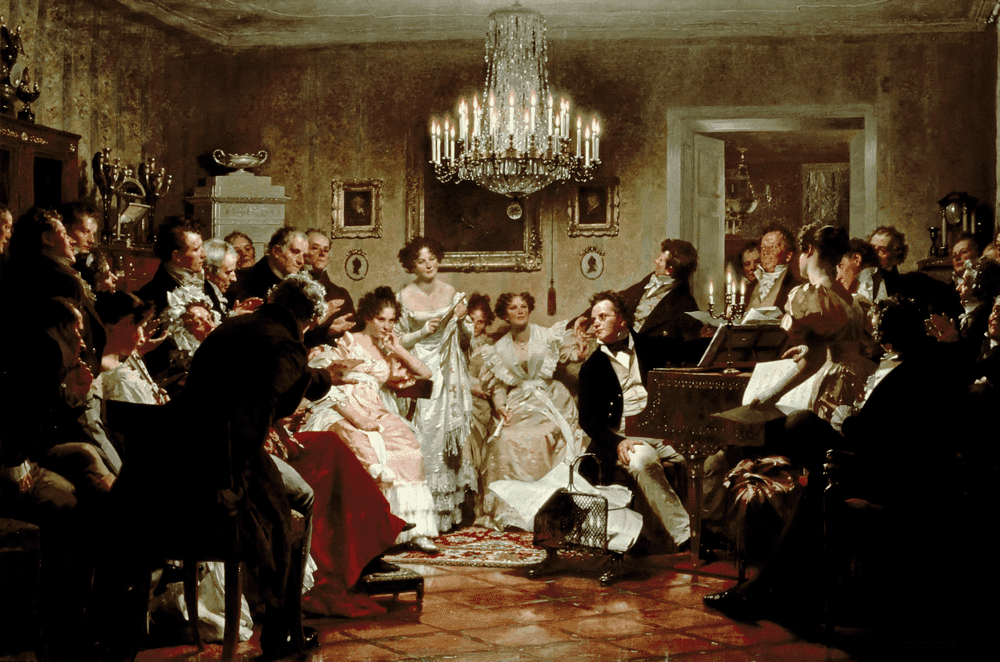
In 1884, Toronto opened its first musical instrument store, marking a shift toward the commercialization of music. Residents could now purchase pianos and violins, allowing middle-class Torontonians to explore music on their own.
In 1867, as Canada became a sovereign nation, people gained access to European musical masterpieces. This exposure fostered an appreciation for classical music. Concert halls across Toronto began hosting performances of Bach and Mozart, popularizing European classical compositions.
Churches founded by immigrants encouraged congregants to learn instruments such as flutes and pianos. This movement toward classical and church music inspired public schools to incorporate music education into their curricula.
By the early 20th century, classical music was favored by the city’s wealthy and influential residents. Large orchestras, featuring hundreds of instrumentalists and singers, performed in Toronto. The Toronto Symphony Orchestra was established during this period.
In the mid-20th century, Canadian music reached new heights, driven by advancements in piano manufacturing. Toronto-produced pianos gained a reputation for reliability, increasing demand across Canada and internationally. These accessible instruments allowed many residents to learn and play music at home.
The invention of the gramophone further revolutionized music accessibility. Torontonians could now listen to popular songs by talented artists, inspiring a broader appreciation for music and the creation of unique compositions.
Toronto’s musical history, enriched by the influences of immigrants and technological advancements, paved the way for the vibrant cultural landscape the city enjoys today.