


No art form is as unique and ephemeral as live performance. Modern theatre offers a constant intellectual adventure, providing audiences with a chance to unwind and immerse themselves in a world of emotions. Every detail on stage reflects a deliberate idea, creating an atmosphere of intrigue. The theatres of 19th-century Toronto were vastly different from today’s. Learn more about the evolution of theatre in the city in this article on toronto-trend.
What Does History Say?
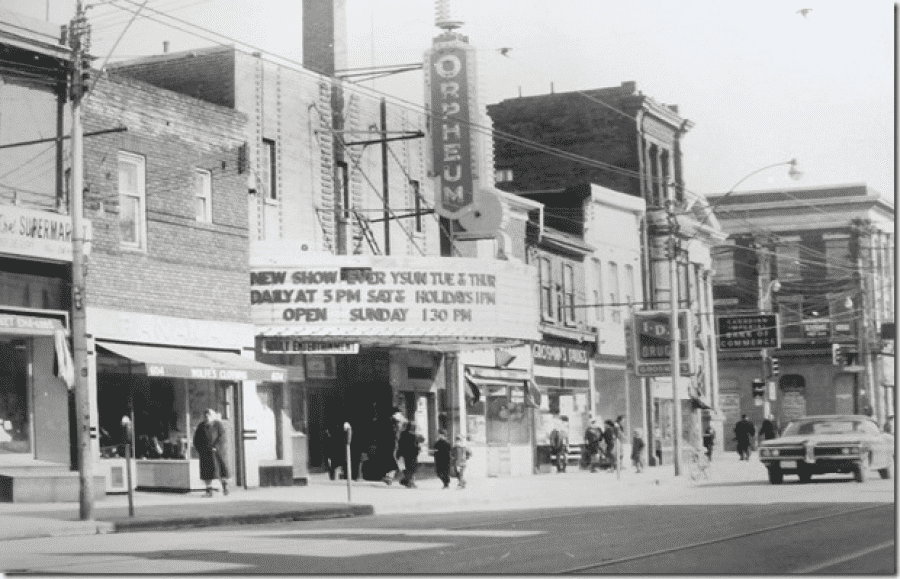
Historical records confirm that Toronto’s first theatre, with a seating capacity of 150, opened in 1839. It was housed in a small carpenter’s workshop located at the northeast corner of York and King Streets, behind the Shakespeare Hotel.
Over the years, other venues like Town Hall, the Royal Lyceum, and the Temperance Hall appeared nearby. These were modest establishments with limited amenities but held great significance for Toronto residents.
The only surviving 19th-century theatre building is St. Lawrence Hall, which hosted performances by the National Ballet for many years. During Canada’s centennial, the theatre hall was fully restored.
Theatre productions at the time were managed by a few individuals. Plays and performances were organized by local amateurs, travelling troupes, and British army officers stationed at Fort York. These performances were free to attend, and the actors themselves were unpaid, treating theatre more as a hobby than a profession.
Among the most successful theatres of the era was the Royal Lyceum Theatre. Initially a small shareholder company led by actor John Nickinson, it not only produced but also staged plays.
The conditions in these old theatres were far from modern standards. Candles and lanterns illuminated a small raised platform that served as the Royal Lyceum’s stage. The acting troupe consisted of just a few individuals, and performances were confined to Toronto due to the high costs and challenges of travel. This isolation meant they could not participate in the touring circuits in New York or London.
New Theatres and Working Conditions
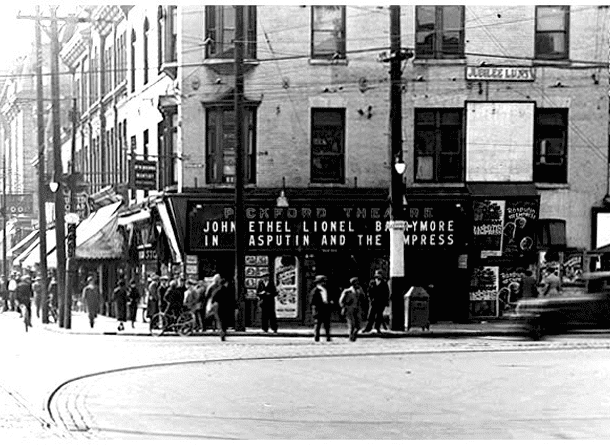
By the latter half of the 19th century, Toronto had grown into a city of over 200,000 people. The industrial boom prompted a rapid expansion, with many moving from rural farms to the city in search of work. This growing urban population led to an increased demand for entertainment.
The construction of railways became a significant factor in the development of professional theatre in Toronto. By 1870, trains connected various Canadian cities, paving the way for theatrical routes that allowed local troupes to tour.
The capacity of railway cars made it possible to transport elaborate sets, costumes, and equipment. This newfound mobility gave actors more opportunities to showcase their talent. Theatres began to spring up across Toronto, attracting individuals with raw acting talent, even if they lacked prior experience.
In 1874, Toronto welcomed the opening of several new theatres, including the Grand Opera House, Royal Opera House, and Grand Theatre. These were among the first modern proscenium arch theatres, adorned with gold accents and luxurious fabrics.
Theatre interiors featured private boxes and balconies, offering audiences better views of the stage. Each theatre boasted proscenium arches up to 50 feet high and expansive orchestra pits, such as the 45-foot-wide pit in the Grand Theatre.
The Grand Theatre’s house lights could be controlled from the prompter’s booth, eliminating the need to light them manually with a long wax taper.
Despite their popularity, theatrical performances often faced criticism from authorities and religious institutions. On one occasion, the manager of the Royal Theatre was accused of violating religious rights for holding a brass band concert on a Sunday, the Lord’s Day.
New theatres continued to emerge in Toronto, hosting performances by internationally renowned acting troupes. Among the most prominent was the Marx Brothers company, which comprised seven acting troupes and became a favourite in the city.
The development of theatre in Toronto marked a turning point in the city’s cultural history, blending tradition with the demands of a rapidly growing urban population. As theatre became a cornerstone of entertainment, it provided a window into the evolving tastes and values of Torontonians.