


The foundation and development of opera in Toronto can be traced back to the establishment of the Opera House of Toronto, the city’s first major musical institution showcasing live performances. Explore the origins and growth of opera and theater in Toronto in this detailed article on toronto-trend.com.
Where It All Began
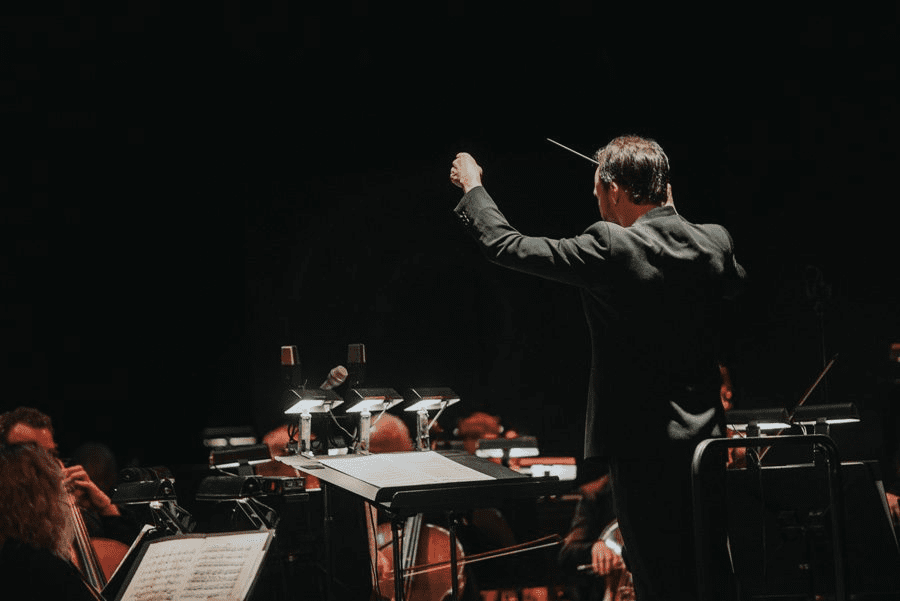
In 1867, George Holman founded his own opera troupe, Holman Juvenile Opera Troupe, which performed plays not only in Toronto but across all provinces. This continued until 1873, when Holman moved to London, leading to the troupe’s dissolution. Despite this, Toronto continued to host opera artists from other countries.
In 1946, the Royal Conservatory of Music in Toronto established an opera school to provide professional training for singers. This initiative led directly to the creation of the Canadian Opera Company (COC), which initially presented a short season of three operas at the Royal Alexandra Theatre.
The company quickly grew, performing across Canada and the United States. By 2000, the Canadian Opera Company had showcased 119 works by 56 composers in Toronto, solidifying its status as Canada’s oldest and most forward-thinking opera company.
The Heart of Opera in Toronto
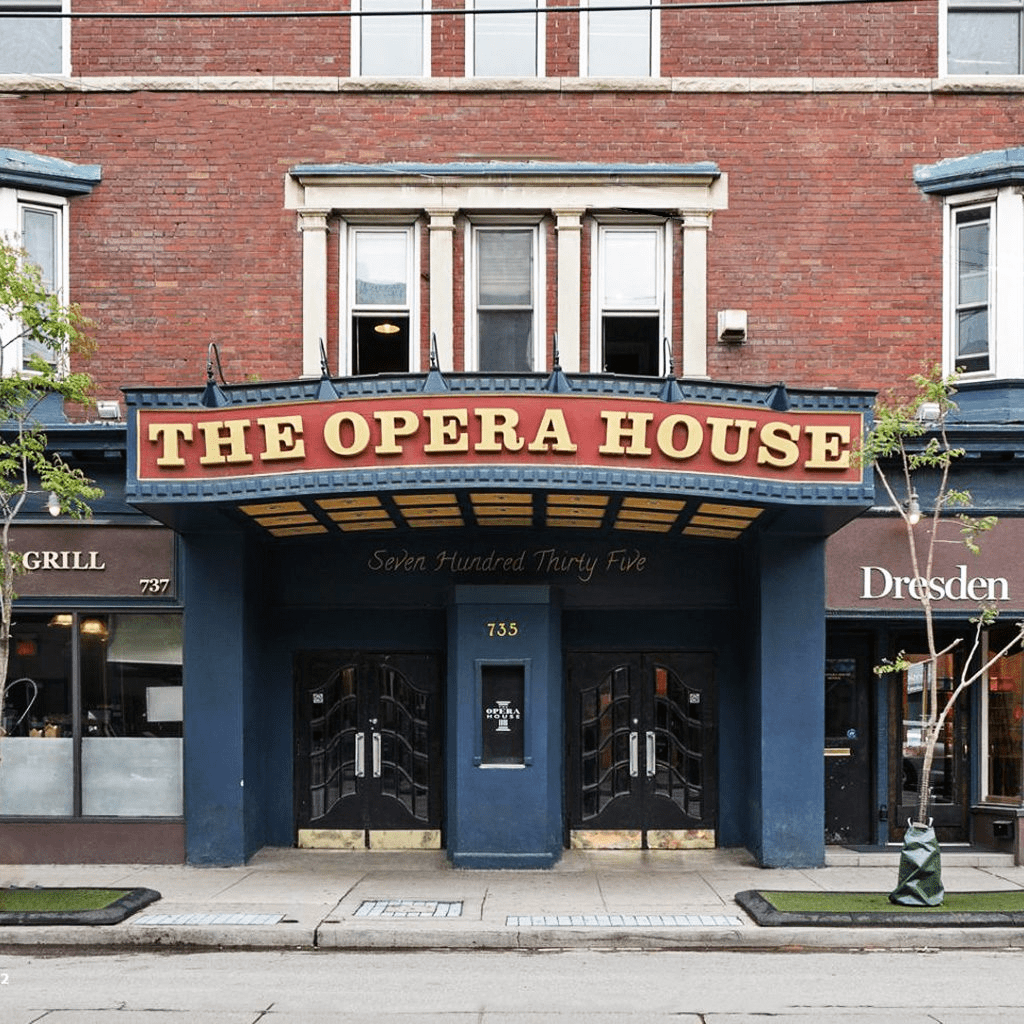
In 1909, vaudeville became a popular form of entertainment in Toronto, featuring comedic sketches, musical performances, and acrobatics. That same year, the Toronto Opera House opened its doors, quickly becoming a favorite cultural hub for residents.
By the early 1910s, the venue was hosting numerous amateur theatrical performances, plays, and operettas. In 1914, the Canadian Grand Opera Company leased the building and began presenting classical operas such as Carmen and Faust. These productions were well-received by audiences, cementing the Opera House as the city’s premier entertainment venue.
From the 1920s to the 1930s, the Opera House experienced a golden era, hosting a wide range of musical performances and attracting world-renowned artists. During this time, the theater staged operatic performances and concerts featuring legendary musicians such as Louis Armstrong, Duke Ellington, and Glenn Miller. It also provided a platform for young opera performers to showcase their talent and gain recognition.
From the 1950s to the 1960s, the Opera House experienced a decline as the popularity of vaudeville and live performances waned. By the 1970s, there were plans to demolish this iconic venue, but devoted opera enthusiasts successfully rallied to save it.
In 1975, the building was designated a heritage site. Over the following decades, the venue underwent significant restorations as owners worked to restore its former glory. In 1989, concert promoter Michael Cohl purchased the theater and initiated extensive renovations. These included installing a modern sound system, air conditioning, and expanding the stage.
Today, the Opera House remains a vital cultural landmark in Toronto. Its stage hosts performances by local and international artists, featuring everything from classical opera to contemporary music. The theater, with its 900-seat capacity, spacious stage, and balcony, is one of the best venues for concerts and theatrical productions.
In addition to traditional performances, the Opera House frequently hosts concerts by indie rock bands such as Arcade Fire and The National. It has played a pivotal role in shaping Toronto’s vibrant arts scene, providing a platform for creativity and self-expression for both local and global talents.
Beyond its cultural significance, the Opera House has made a notable contribution to Toronto’s architectural heritage. Its elegant Beaux-Arts design, a popular style in the early 20th century, stands as a testament to the city’s historical richness.
Year after year, Toronto’s Opera House showcases captivating plays and musical performances by seasoned artists and emerging talents alike. These productions draw full houses, offering audiences unforgettable experiences and enriching the city’s cultural landscape.