


When you talk about Canadian cinema, Atom Egoyan is one of the first names that comes to mind. He’s one of Canada’s most celebrated directors, with a body of work recognized around the globe. But don’t expect thrilling action sequences or loud blockbusters. Egoyan’s films exist in another dimension of cinema altogether. They tell stories of memory, loss, and trauma, exploring how people try to piece their lives back together after devastating events. More at toronto-trend.
Childhood and Early Career
Atom Egoyan was born in 1960 in Cairo, Egypt, to Armenian parents, Joseph and Shushan Egoyan, who were both artists. They were part of an Armenian community that had left their historic homeland after the early 20th-century genocide. The family lived modestly, but their home was always filled with art, music, books, and cultural conversations. It was in this atmosphere that Atom first encountered the idea that art could be a beautiful way to tell complex stories. He was just three years old when his family decided to move to Canada, settling in Victoria, British Columbia, on the country’s west coast. The change was stark: instead of the ancient Egyptian city, they found the quiet, clean, and orderly life of a small Canadian town. It was there that Atom’s identity began to take shape.
In Canada, the young Egoyan quickly learned English, excelled in school, and developed a passion for theatre. At the same time, he grappled with questions of his own identity. He wasn’t entirely Canadian, having been raised in an Armenian family that cherished its ancestral culture. Yet he didn’t feel fully Armenian either, as he had never lived there. This feeling of being “between two worlds” would later become a central theme in his films.
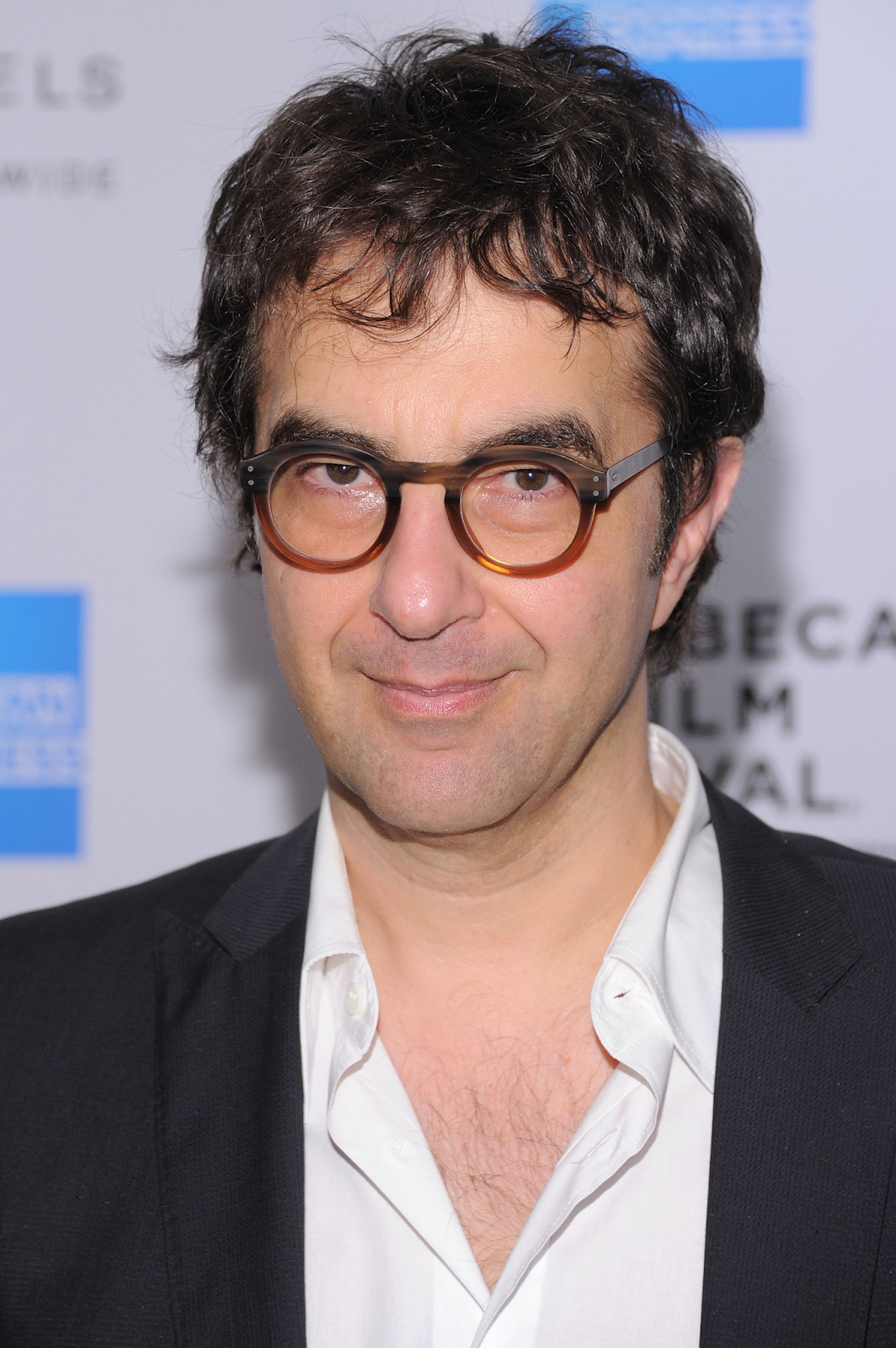
His parents supported his creative pursuits. Though he initially considered law, he ultimately chose to study arts and sciences. He later enrolled at the University of Toronto, where he studied international relations. However, it was during his university years that he began actively shooting his first short films and decided he wanted to be a director. His early films were made on a shoestring budget, but they already carried the distinctive tone that would later make him famous: unhurried storytelling, psychological depth, and themes that weren’t always easy to discuss. It was with these kinds of stories that he would eventually captivate audiences worldwide.
Core Cinematic Themes
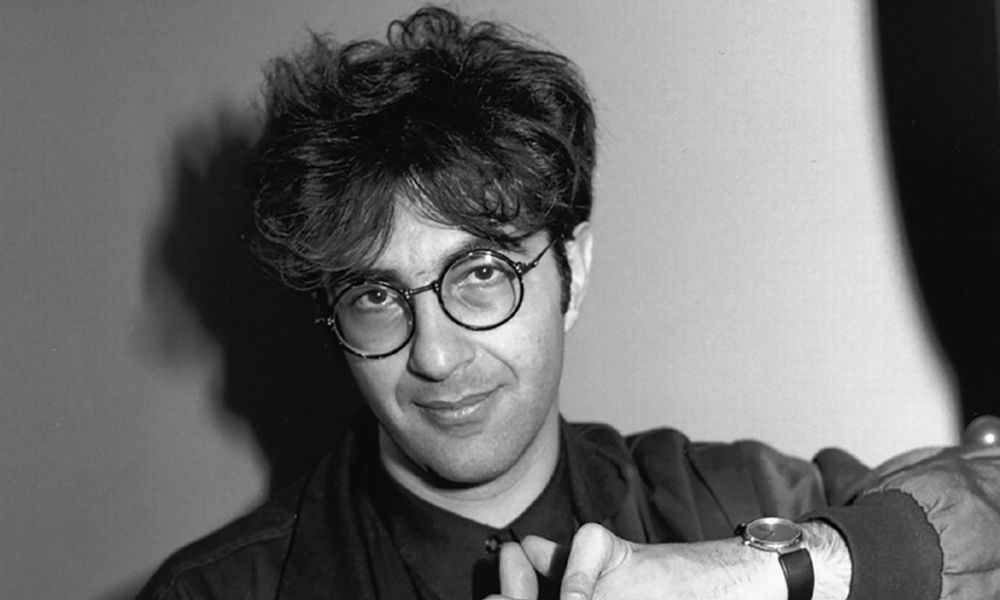
Atom Egoyan’s films are not what we typically imagine when we hear the word “cinema.” They lack flashy special effects, car chases, or simple good-versus-evil narratives. Instead, they offer a tense atmosphere, deep contemplation, and complex human relationships. Psychology is at the heart of every project. Egoyan masterfully shows how people behave after loss, betrayal, trauma, or in times of doubt. Early in his career, his style was more experimental. In films like “Next of Kin” (1984) and “Family Viewing” (1987), he often played with chronology, employing non-linear narratives. This forced the viewer to pay close attention to details and find meaning on their own. Such films might seem confusing, but that was their strength—they don’t provide easy answers, instead leaving space for reflection and analysis.
Over the years, Egoyan’s style became more restrained, but the depth remained in every project. He gradually began to explore social themes, including violence, family tragedies, and issues of identity and memory. Another recurring feature in his work is the theme of surveillance. His characters often seem to be watching one another, creating a sense of anxiety and mistrust.
Breakthrough Films and International Acclaim
Atom Egoyan’s real breakthrough came in the mid-1990s, when his work began to capture the attention of international critics and audiences. The first major step toward global success was the film “Exotica” (1994). On the surface, it’s a story about a strip club and its patrons, but it’s actually a deep dive into loss, psychological trauma, and the strange ways people cope with pain. The film earned him numerous awards, including the FIPRESCI Prize at the Cannes Film Festival.
But his greatest success, without a doubt, was “The Sweet Hereafter” (1997). It’s a profound, sensitive story about a small town shattered by a tragic school bus accident. The protagonist, a lawyer, arrives to offer help with a lawsuit but instead uncovers broken lives, hidden secrets, and the very different ways people process their grief. The film forces you to question whether there is always someone to blame and if truth can ever be found in the chaos of emotion. It earned two Academy Award nominations: for Best Director and Best Adapted Screenplay. This marked the first (and to date, only) time a Canadian director was nominated for a Best Director Oscar. In Canada, the film swept the Genie Awards, and in Europe, it won the Grand Prix at Cannes. After this, Egoyan was firmly established as a world-class director.
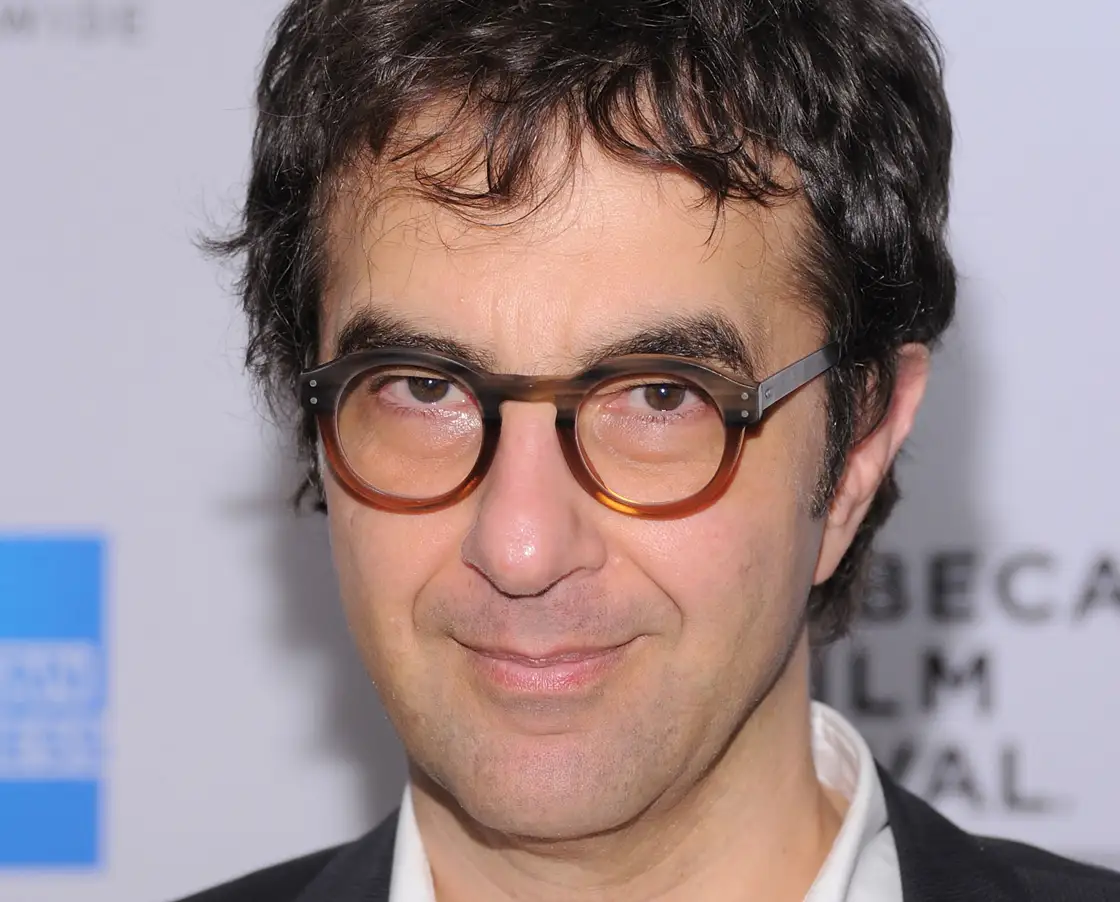
After “The Sweet Hereafter,” he was invited to work on various projects outside of Canada. For instance, “Felicia’s Journey” (1999) was shot in the UK, while “Where the Truth Lies” (2005) was filmed in the US. Both films explore human weaknesses, secrets, and the influence of the past on the present.
His 2015 drama “Remember,” starring Christopher Plummer, also drew significant attention. The plot centres on an elderly Holocaust survivor who sets out to find the Nazi guard responsible for his family’s death. It’s a moving story about memory, aging, and redemption that once again confirmed the director’s mastery of difficult subjects.
Opera, Theatre, Teaching, and Public Advocacy
Atom Egoyan isn’t an artist who limits himself to just one medium; he’s someone who believes there is immense beauty to be found everywhere. While the film industry made him famous, his talents don’t end there. Over his career, he has worked in opera and theatre, dedicated time to education, and engaged in public discourse, making him a true intellectual and a prominent cultural figure.
In the early 2000s, Egoyan began directing operas. In 2006, for example, he staged “Seven Veils” in Toronto, based on Richard Strauss’s opera “Salome.” It was something new for the Canadian stage—a modern, psychologically complex take on a classic work. This was followed by several other high-profile productions, including Mozart’s “Così fan tutte” and Beethoven’s “Fidelio.” In these projects, he successfully translated his cinematic sensibility to the world of musical theatre. He added depth, built tension, and focused on details—everything he is valued for in his films.
Theatre also became another stage where the director could brilliantly express himself. In his theatrical work, Egoyan typically explored the same themes as in his films: family dramas, memory, identity, and betrayal.
Education holds a special place in his life, as Atom Egoyan knows how to inspire others. He has taught at various post-secondary institutions and spent many years working at York University in Toronto. There, he helped students find their unique voice and explore complex life themes. He continues to give lectures, participate in panel discussions, and lead masterclasses, making it easy to picture him not just in the director’s chair but also at a lectern—calm, attentive, and with a deep understanding of his craft.
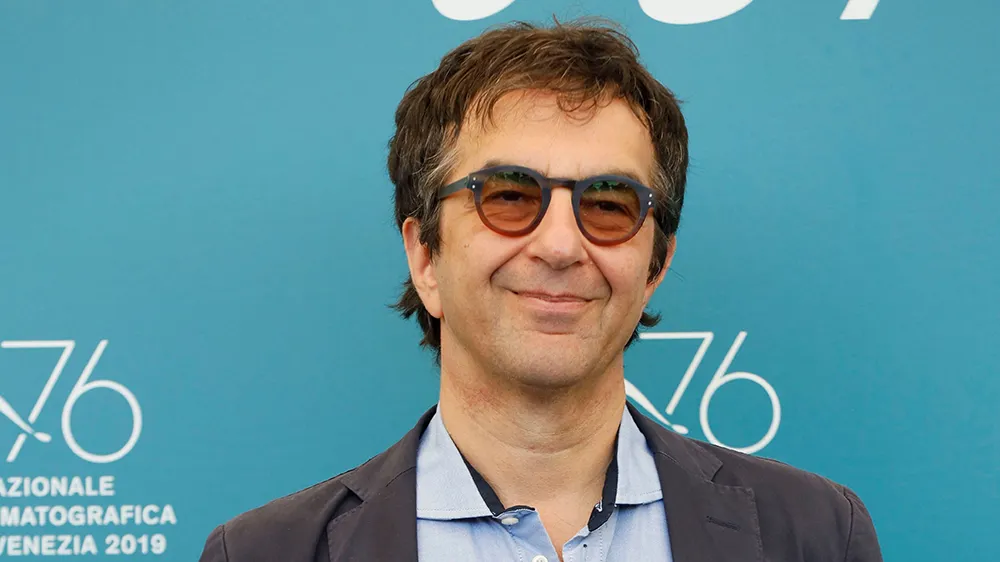
Beyond his creative and academic work, Atom Egoyan has a firm civic stance. As a person of Armenian descent, he has never hidden his origins and actively supports initiatives related to the 1915 Armenian Genocide. For years, the director has spoken about the importance of memory, truth, and historical justice, addressing the topic in interviews and in several of his projects.