


Theatres are among the favourite venues for Torontonians, offering not only entertainment but also an opportunity to relax and gain new insights. Watching a play allows people to immerse themselves in culture and enjoy an enriching experience.
This tradition has deep roots, dating back to the 18th century, when Toronto’s theatrical scene began to take shape. Read more on toronto-trend.
Torontonians Demand Opera
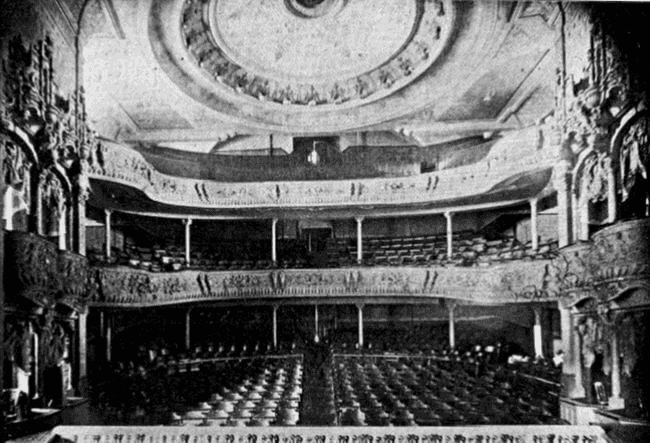
Toronto’s first purpose-built theatre was The Royal Lyceum, constructed by John Ritchie and opened on September 25, 1849. The theatre was located on the south side of Adelaide Street West, between Bay and York Streets.
Audience members accessed the theatre through Theatre Lane via an archway situated between buildings at 99 and 101 King Street. This venue, regarded as Toronto’s first opera house, offered more than just opera. It hosted plays, performances by travelling troupes, musicians, soloists, and speakers.
Before the Royal Lyceum, such events took place in makeshift venues like converted rooms or hotel dining halls. The Lyceum, however, boasted purpose-built features, including a stage, specialized lighting, an orchestra pit, dressing rooms, and a balcony.
The Old Gives Way to the New
In 1874, the Royal Lyceum burned down. The year before, plans for a new opera house, the Grand Opera House, had already been set in motion. Construction began at 9–15 Adelaide Street West, near Yonge Street, under the management of Charlotte Nickinson.
The building’s design, by New York architect Thomas Jackson, showcased an Empire style with a mansard roof. The east and west wings were connected by sections and a tower, resulting in a four-storey structure. Materials used included brick, stone, and timber beams to support the high walls and ceilings. The building also featured a steam heating system.
The interior of the Grand Opera House was equally impressive. The ground floor housed retail shops flanking the arched theatre entrance, with scenic views of Adelaide Street. Rental income from these shops and upper-floor offices was used to sustain the opera house.
The arched entrance led visitors to a grand 50-foot-deep lobby, followed by the main foyer, where the ticket office and bar were located. Stairs on either side of the foyer provided access to cloakrooms and two balconies.
The opera house’s dome-shaped auditorium seated 1,323 spectators. The stage was expansive, measuring 53 feet wide and 65 feet deep, and included an orchestra pit at the front. Sophisticated folding chairs on the balconies allowed easy movement between rows.
The Grand Opera House officially opened on September 21, 1874, becoming a favourite destination for Toronto’s elite.
The inaugural performance featured Richard Sheridan’s comedy School for Scandal, starring the theatre manager Charlotte Morrison in the lead role.
In addition to operas, the theatre hosted grand balls, during which the orchestra area was covered with temporary wooden flooring, creating a dance floor for all-night revelry.
Despite its popularity and critical acclaim, the Grand Opera House struggled financially.
A New Owner and Decline
In 1876, the theatre was sold at auction to Alexander Manning. Three years later, a fire severely damaged the building, leaving only its walls intact. Manning hired the architectural firm Lalor and Martin, and within 51 days, the theatre was fully reconstructed.
The rebuilt opera house reopened on February 9, 1880, with a production of Romeo and Juliet. Over the years, it hosted performances by many prominent actors.
However, by the early 20th century, attendance waned due to competition from the Royal Alexandra Theatre. In 1927, the Grand Opera House ceased operations, and the building was demolished.