


In the 19th century, nightclubs began to emerge in Toronto, offering a new form of entertainment for locals. Music, dancing, and social gatherings became integral to the city’s daily life. Among the first venues to provide such experiences was “El Mocambo.” Since 1948, it has remained a celebrated hub for nightlife and live music. Learn how this iconic venue came to be and evolved over the years, right here on toronto-trend.
The Opening of “El Mocambo”: How It Started in Toronto
The building that houses “El Mocambo” originally served a very different purpose. Long before it became a nightclub, it functioned as a refuge for enslaved people escaping from South America. By 1910, the building had been repurposed, hosting businesses like barber shops, a supermarket, and a restaurant.
In 1946, the law permitting the sale of alcohol in establishments opened new opportunities for local entrepreneurs Joseph Brown and John Lang. Seizing the moment, they established one of Toronto’s first cocktail bars at this location. To attract more visitors, they installed a striking neon sign featuring palm trees and the name “El Mocambo,” setting their venue apart and capturing the attention of passersby.
Music at “El Mocambo”: The Early Days
Initially, playing music in nightclubs was prohibited, with live performances restricted to restaurants and taverns. When the ban was lifted, “El Mocambo” officially opened as a nightclub on March 28, 1948. The first floor housed a bar, while the second floor featured a dance studio. In its early years, the club featured Latin American, Hungarian, and Portuguese music, catering to Toronto’s diverse population and immigrant communities.
In 1972, entrepreneurs Michael Baird and Tony Christinbrun purchased the nightclub. They transformed it into a hub for blues and rock music, attracting legendary performers like Muddy Waters, Buddy Guy, and Elmore James. One of the club’s frequent acts was “Downchild,” a band that drew large crowds. A unique rule at the time was that top-earning musicians performed on the first floor, while others played on the second.
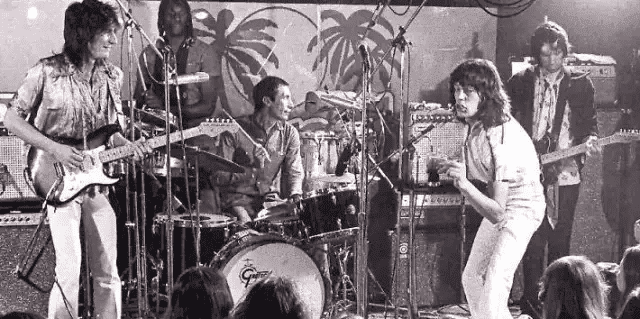
The club soon became a favourite among Toronto students, who flocked to its discos and live performances. “El Mocambo” also played host to iconic concerts, including two legendary performances by the Rolling Stones, arranged to accommodate their many fans. Other notable acts included “April Wine” and “Double Trouble.”
By 1986, the vibrant music scene at “El Mocambo” began to wane. Fewer musicians performed due to changes in touring schedules, and an exclusive contract with a local international music company restricted bookings for other artists. The venue also required significant renovations, leading to a decline in performances. From 1991 to 2001, “El Mocambo” was closed.
Revival in the 2000s: A New Chapter
In 2012, “El Mocambo” was sold. Years of neglect had left the building in poor condition, prompting new owners to embark on extensive renovations. Updates included a modern stage, a rooftop patio, and a revamped neon palm tree sign. However, difficulties booking artists threatened the club’s reopening.
An unexpected turn of events saved “El Mocambo” when banker Michael Wekerle purchased the venue for $3.8 million. He continued the renovations, completely overhauling the interior and preparing for a grand reopening. Although the global pandemic delayed plans, the club finally reopened in 2020 with a fresh look and a renewed spirit. Today, “El Mocambo” hosts parties, weddings, concerts, and other events, reclaiming its place as a beloved venue in Toronto’s cultural landscape.
From its humble beginnings to its status as an iconic venue, “El Mocambo” has left an indelible mark on Toronto’s history. Its vibrant past, legendary performances, and recent revival underscore its importance in the city’s cultural fabric. Whether you’re enjoying a drink, dancing the night away, or attending a live concert, “El Mocambo” remains a symbol of Toronto’s enduring love for music and celebration.