


The Indigenous Peoples of Canada performed rituals and dramatic acts as part of their ceremonies and celebrations for hundreds of years before Europeans arrived on the shores of the “New World.” Indeed, the First Nations theatre we see today, such as plays by Thomson Highway, is often rooted in the mythology of Indigenous communities. This makes them significant and invaluable, particularly for immersing oneself in the past. Let’s delve into the story of Toronto’s first theatre. Read on at toronto-trend.
The First European Theatre
Theatre historian David Gardner posits that European theatre arrived in Canada with Sir Humphrey Gilbert and his “company of mummers” in 1583. This was followed by Marc Lescarbot’s Theatre of Neptune in New France, staged on November 14, 1606, at Port-Royal in present-day Nova Scotia. Samuel de Champlain, a key figure in the French colony, founded a social club called L’Ordre de Bon Temps (Order of Good Cheer). Through this order, Lescarbot organized performances involving members of the French colony dressed as Indigenous people and mythological creatures to celebrate the safe return of the colony’s founders from a perilous expedition.
This theatrical tradition was abandoned in 1607 when the colony was disbanded. There is no recorded mention of theatrical activity until 1640, although informal entertainments likely persisted as part of colonial life.
From Carpentry Workshop to Royal Theatre
Live performances are among the most ephemeral art forms. When the curtain falls on a play, the moment lives only in the memories of a select few. Early Toronto theatres, including the Royal Theatre, illustrate this transient nature of performance.
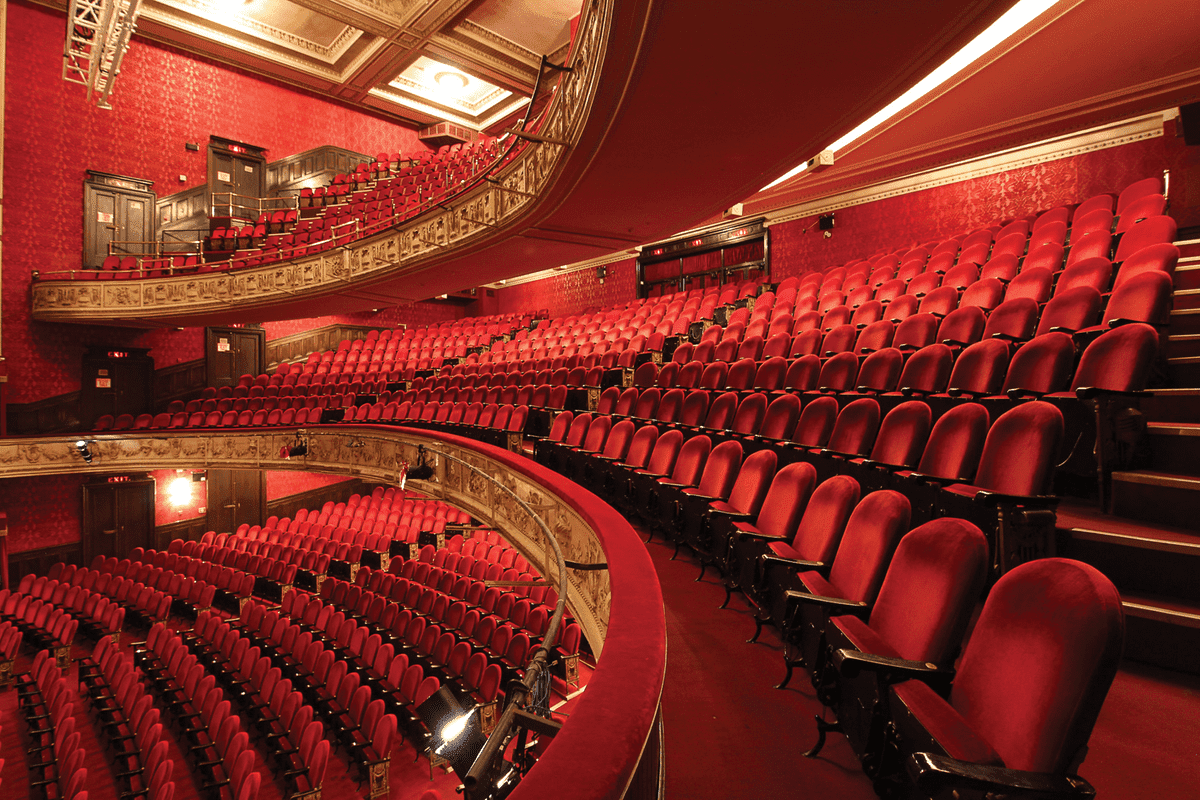
Toronto’s first documented theatre opened in 1839 in a converted carpentry workshop measuring 30 by 60 feet. Located at the northeast corner of York and King Streets, behind the Shakespeare Hotel, the Royal Theatre was a modest venue that paved the way for other local establishments, such as Town Hall, the Royal Lyceum, Temperance Hall, and Masonic Hall. Of these early theatres, only St. Lawrence Hall has survived, serving for many years as home to the National Ballet of Canada. The hall was fully restored during Canada’s centennial year.
Performances at these early theatres were often organized and staged by amateur locals, touring troupes, or officers from the British Army garrison at Fort York. These productions were often unpaid endeavors, driven by passion rather than financial incentives. Similarly, audiences frequently attended performances free of charge.
Rising Demand for Entertainment
The Royal Lyceum Theatre, an early success story, operated as a shareholder company led by actor-manager John Nickinson. Its repertoire included works by Shakespeare and popular dramas such as Uncle Tom’s Cabin. Performances were staged on a simple elevated platform lit by candles and lanterns. Limited transportation options and high costs isolated Toronto from professional touring companies based in New York and London. Nevertheless, a culturally curious Toronto audience longed for connections to the wider world, which they could only read about in illustrated magazines.
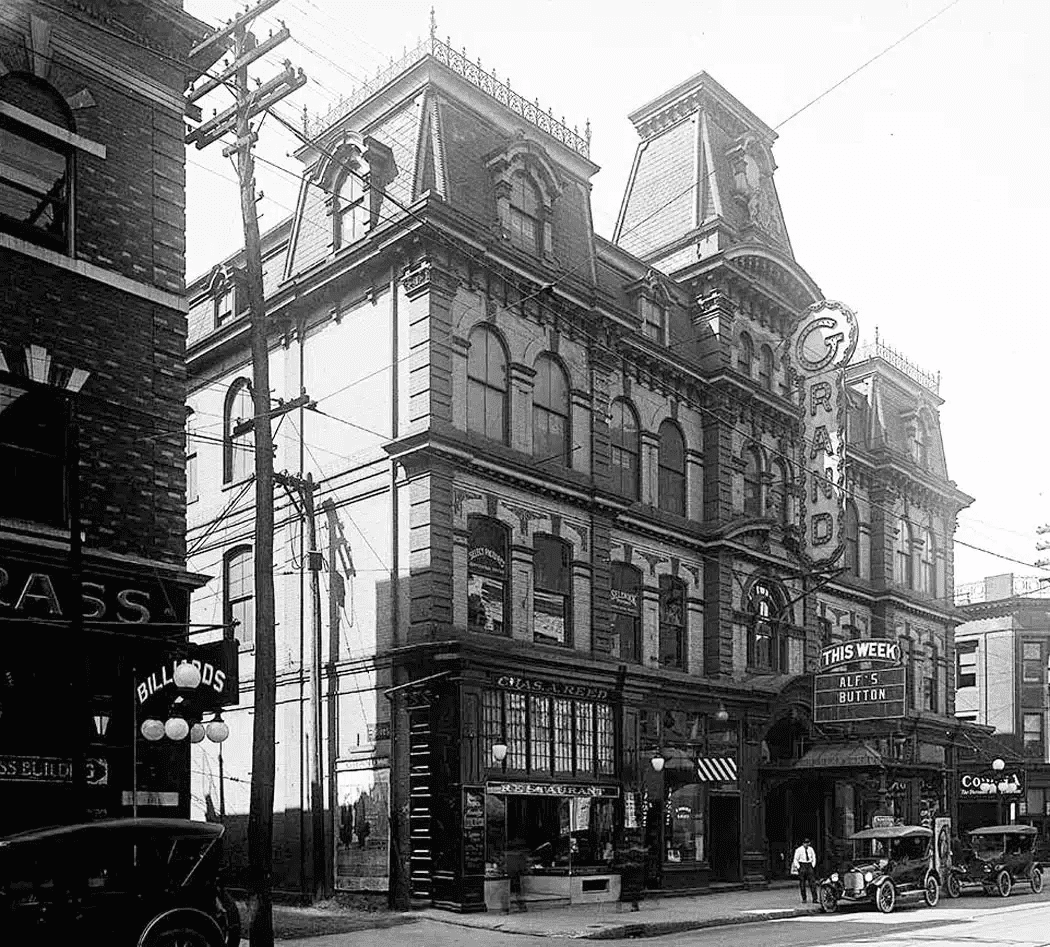
By the mid-19th century, Toronto’s population exceeded 200,000, and the city expanded rapidly, incorporating neighboring communities like Yorkville and North Toronto. As industrialization drew people from farms to urban centers, the demand for entertainment grew.
Railways and Touring Routes
The construction of railways in the 1850s revolutionized professional theatre. By the 1870s, railway routes allowed theatre managers to book extended tours connecting cities and rural areas across Ontario. Railcars could transport elaborate sets, costumes, and props, enabling performances to replicate productions seen in New York, Philadelphia, and London.
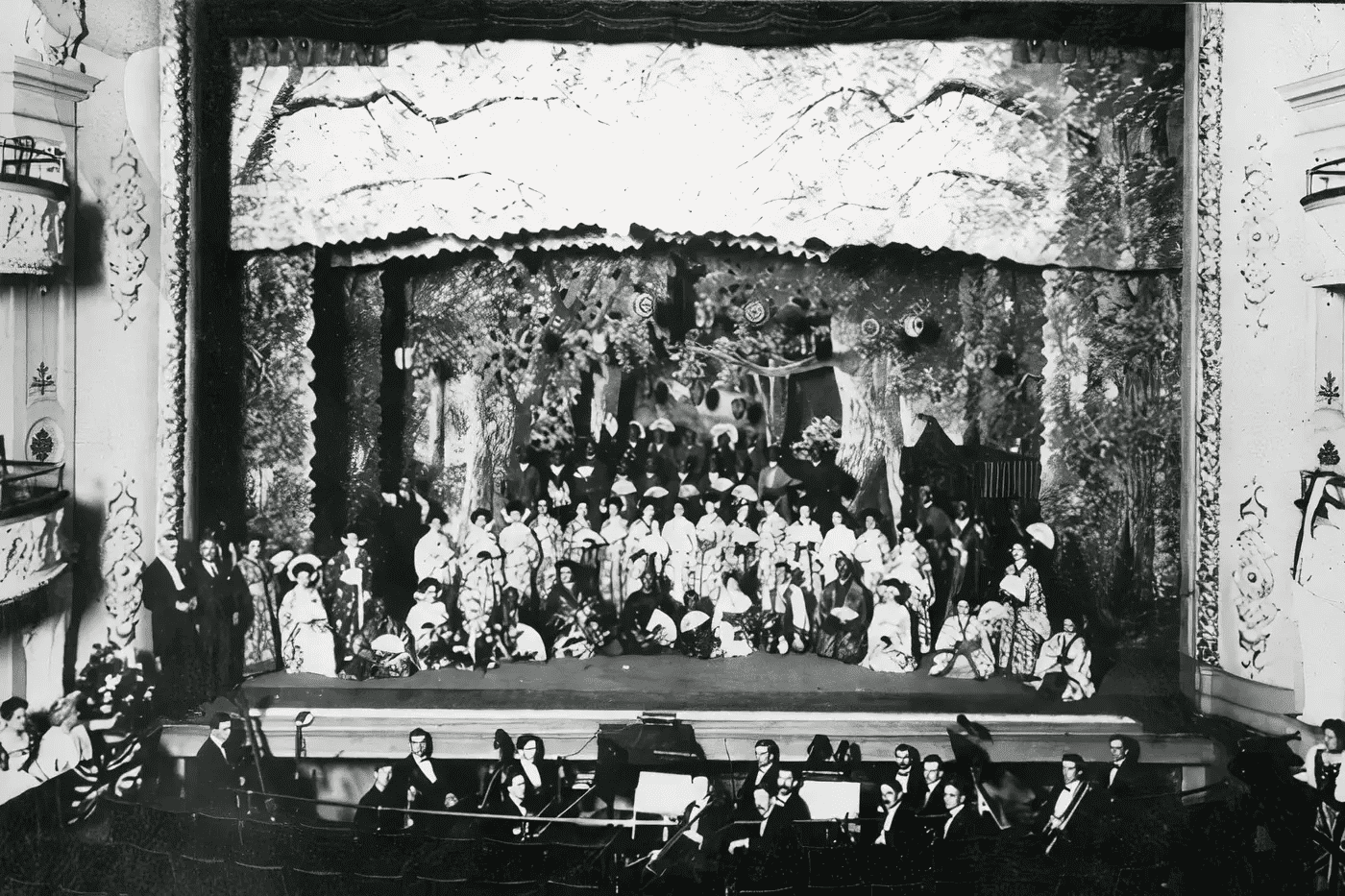
This newfound mobility fueled an unprecedented theatre-building boom across Ontario, with nearly every sizeable town boasting its own opera house. In Toronto, venues like the Grand Opera House and the Royal Opera House opened their doors in 1874. These modern theatres featured proscenium arches, gilded decorations, plush fabrics, balconies, and boxes that enhanced audience experiences.
The Flourishing of Show Business
Despite Canada’s emerging identity as a nation, strong ties to the British Empire and Queen Victoria persisted. Religion dominated public life, and “entertainment” was often viewed with suspicion, seen as either frivolous or morally questionable. Theatre managers faced condemnation from the pulpit, and some, like the Royal Opera’s manager, were even prosecuted under the Lord’s Day Act for hosting concerts on Sundays.
However, concert halls and theatres continued to grow in number and prestige, hosting world-renowned stars like Henry Irving, Ellen Terry, and Sarah Bernhardt. The show business scene flourished, with touring companies like Marks Brothers employing multiple troupes and providing full-time work for Toronto stagehands.
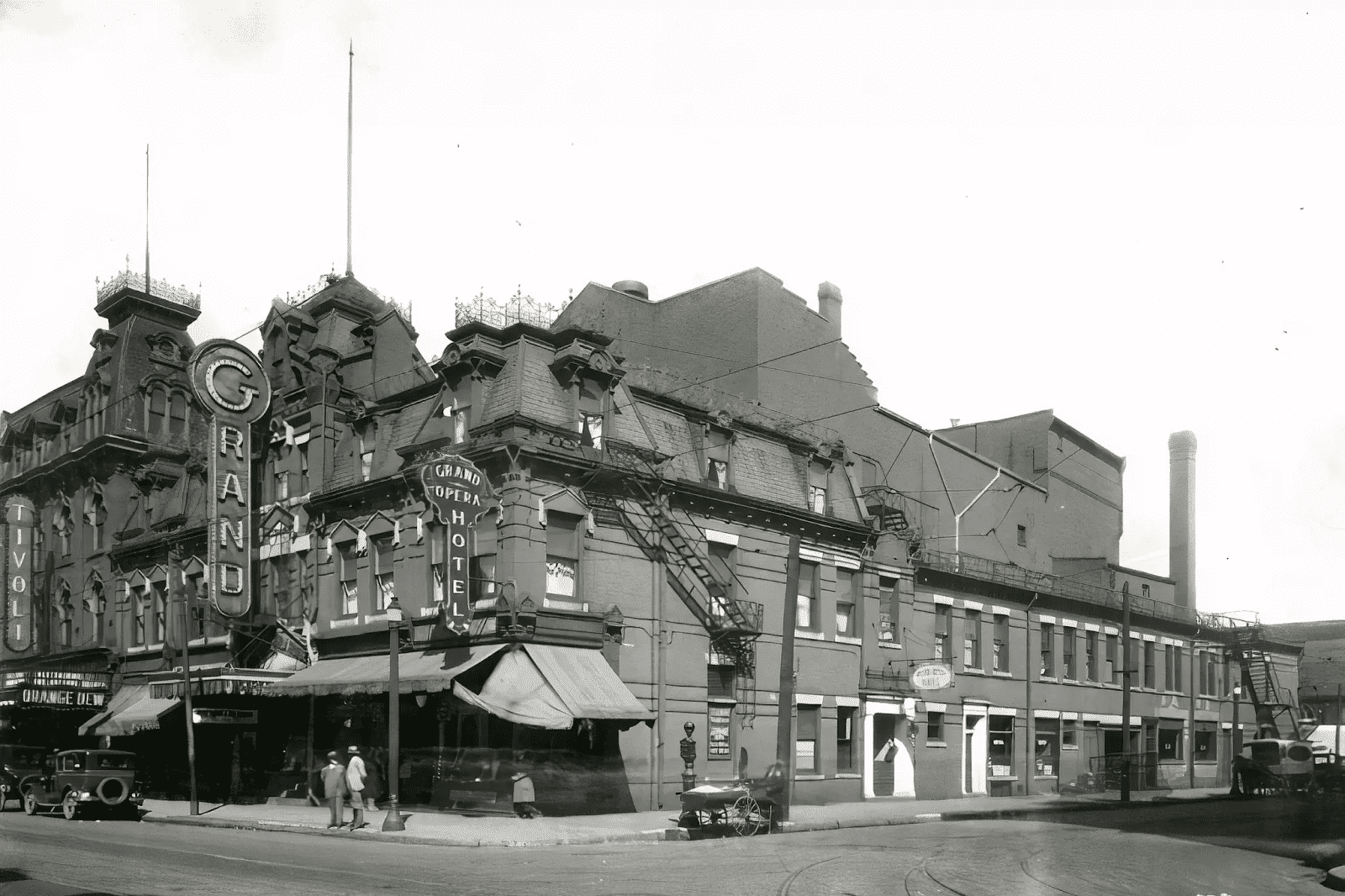
Both the Grand Opera House and the Royal Opera House could accommodate approximately 1,500 patrons. Their offerings included light comedies, musicals, farces, dramas, melodramas, amateur theatre, and minstrel shows. While the term “opera house” implied respectability, these venues rarely staged operas. Nevertheless, they represented Toronto’s first truly professional theatres, operating full-time and providing stable employment for local stage workers.
The Royal Theatre and its successors laid the groundwork for Toronto’s rich theatrical tradition. These early venues connected the city to the broader cultural landscape and fostered a local appetite for performance art. Today, the theatres of Toronto stand as a testament to the city’s enduring love for live performance and its vibrant cultural heritage.