


Few people remember the old cinema in Toronto, once located in the basement at 186 Spadina Avenue. In 1985, this venue was a popular spot for moviegoers. Learn more about the history and intriguing facts surrounding this unique cinema in this article on toronto-trend.
The Opening of Golden Harvest Cinema
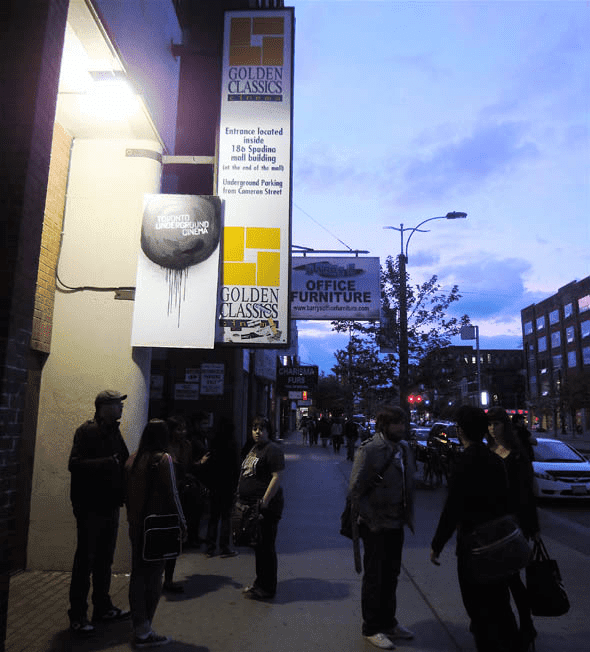
Hong Kong-based film company Golden Harvest expanded its operations to Canada, establishing an office in Ontario with the goal of promoting films. The company soon opened a studio and a cinema in Vancouver with its support.
In 1985, Golden Harvest took over two cinemas: Victory Burlesque at Spadina and Dundas (Williams; Veillette). By the fall of 1985, Golden Harvest launched its second Toronto cinema. The company hired engineer Nicholas Ruzsa to design a cinema in the basement of a new condominium building at 188 Spadina Avenue. This cinema became the focal point of its expansion efforts.
Initially, the cinema had 700 seats and showed films on 35mm reels. By 1986, popular screenings included Semley, Rise Up, and Parker.
The cinema operated daily: Monday through Friday from 12:00 PM to 6:00 PM, and on weekends and holidays from 12:00 PM to 1:00 PM. Ticket prices were $5 for adults and $3 for children.
Show schedules were regularly published in the Chinese-language newspaper Sing Dao, as the area was predominantly populated by the Chinese community. Interestingly, Golden Harvest cinema never advertised to English-speaking audiences.
Local Chinese entrepreneurs placed advertisements in the cinema, which were played before film screenings. This suggests the venue primarily served Hong Kong and Chinese nationals.
However, the cinema’s success was short-lived, and it closed in 1991 due to rising competition from newer cinemas in the city center.
A New Chapter

From 1991 to 1994, the venue remained vacant. In 1994, Golden Harvest appointed Colin Geddes as the new director, granting him full control of the cinema’s operations.
Under Geddes’ leadership, the cinema was renamed Golden Classics. The first premiere after its reopening was The Bronx.
Within nine months, the cinema’s program expanded to include films from various Asian countries. However, it failed to attract as many Chinese viewers as before. As a result, Golden Classics shifted its focus to English-speaking cinephiles across Toronto, offering screenings with English subtitles and advertisements.
The local press continued to publish the cinema’s program and articles about directors and actors featured in retrospectives. Despite these efforts, Golden Classics closed again in 1995.
A Revival After Closure
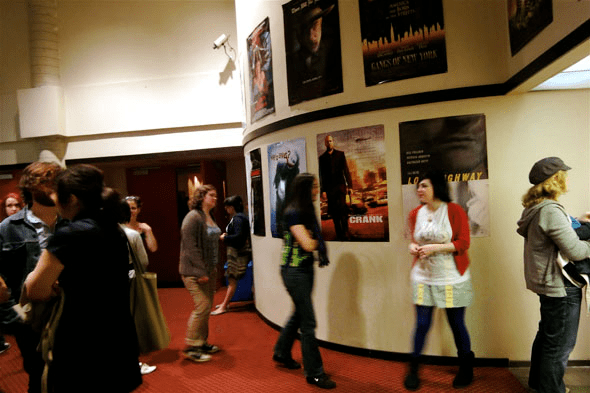
From 1995 to 2008, the venue stood empty. In 2008, Sedwick Hill purchased the space and converted it into an underground informal music venue. By early 2010, Hill attempted to legitimize the space as the Centre for the Performing Arts, hosting live music performances, small film festivals, and private events.
In the spring of 2010, Hill decided to close the music venue and opened a new cinema, naming it Toronto Underground Cinema (TUC). The grand opening took place on May 14, 2010. For two years, TUC showcased films by renowned directors from around the world.
Despite drawing a significant audience, the cinema closed again in 2012. Its final farewell screening was held in September of that year.
The history of Toronto’s basement cinema reflects its resilience and adaptability over decades. From its beginnings as a cultural hub for the Chinese community to its transformation into a haven for cinephiles and music enthusiasts, this venue remains a fascinating part of Toronto’s cinematic history.